By Louis ‘Barok‘ C. Biraogo — July 1, 2025
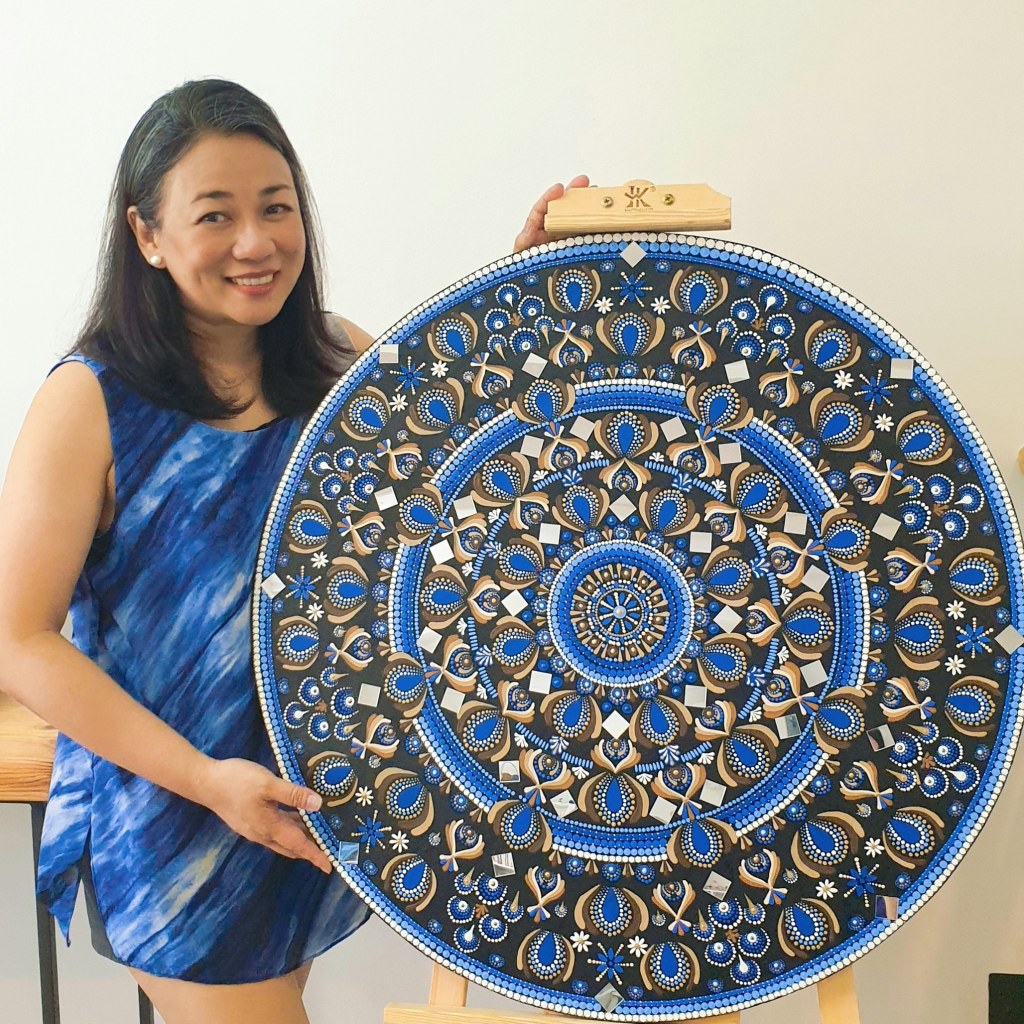
IN THE quiet of Los Baños, where rice fields hum with ancient rhythms, Karina Herrera Orozco found her way back to the circle. Not the corporate cycle of agrochemical marketing, nor the frenetic pulse of Manila’s human resources offices, but the sacred geometry of the mandala—a form as old as prayer, as intimate as breath.
Her debut solo exhibition, Colors of Life, unfurls at Manila’s Gateway Gallery (June 28–July 12, 2025), a radiant testament to a woman who, like Annie Dillard tracking the arc of a moth’s flame, rediscovered her soul’s calling in the stillness of a global pause. Here, each mandala is a whispered pact between discipline and dreams, a freeform dance of dots and mirrors that sings of wholeness amid fragmentation.
Karina’s journey to this moment is a tapestry of roots and reinvention. Born to a father, Willy, who balanced the precision of science at the International Rice Research Institute with the fluidity of charcoal sketches, and a mother, Nenita, a UP Los Baños professor whose crafts wove stories into thread, Karina inherited a duality: the rigor of intellect, the pulse of creation. Art ran through her family like a subterranean river—her three siblings sketching, her father’s cartoons gracing fraternity billboards.
Yet, for years, she navigated the sharp edges of corporate life, marketing agrochemicals and managing human resources, even venturing to the Middle East before returning to care for her ailing father. When both parents passed—her father eight years ago, her mother in January of an unspecified year—the pandemic’s enforced solitude became a crucible.
In 2018, she quit the corporate world, settling in Los Baños to paint. By January 2023, inspired by Mediterranean tiles and YouTube tutorials, she began crafting mandalas, each a meditative act, a lullaby of dots that soothed her grief and rekindled her joy.
Her art is inseparable from her Sigma Delta Phi sorority, a 94-year legacy at the University of the Philippines that shaped her as much as her brushstrokes shape her canvases. Founded in 1931, SDP has nurtured leaders like Solita “Winnie” Monsod, whose economic clarity cut through national noise, and Felice Prudente Sta. Maria, a cultural historian weaving narratives of Filipino identity. The sorority’s ethos—leadership, excellence, sisterhood—mirrors the mandala’s promise of unity.
Karina, a sister among these changemakers, channels their communal strength into her solitary practice, her art a quiet rebellion against isolation. The sorority’s SDP Plaza, completed in February 2023, stands as a physical echo of her work: its Tagapag-Ugnay sculpture, designed by alumna Melanie Chanco Libatique, embodies feminine resilience, a steel-and-stone ode to connection that resonates with Karina’s circular meditations.
The 2023 Balikada street fair, with its music and historical displays, celebrated SDP’s history while inviting community—a parallel to Karina’s exhibit, which beckons viewers to circle back to themselves.
Karina’s mandalas are not mere designs; they are acts of intention, each dot a prayer, each mirror a glimpse of the infinite. Her “freeform, stencil-less” technique defies the rigidity of her corporate past, where spreadsheets dictated outcomes. On wood, she layers acrylics, rhinestones, and delicate dotwork, creating patterns that pulse with life.
Unlike traditional mandalas, with their strict symmetry, hers embrace controlled chaos, each stroke a dialogue between order and freedom. A piece for a San Francisco client, woven with iris flowers in blues, violets, and yellows, tells a family’s story—mother, daughters named Iris, a grandchild—transforming personal narrative into universal harmony.
This is Karina’s gift: to transmute the specific into the cosmic, much as Rebecca Solnit maps personal journeys onto cultural landscapes. Her largest works, requiring 42 hours of meticulous labor, are corrected with cotton buds and repainted with patience, a process as meditative as the mandalas themselves.
The mandala, from the Sanskrit “circle,” is a sacred symbol across Hindu, Buddhist, and Christian traditions, a portal to wholeness and balance. Karina’s pieces, whether coasters on bamboo or crosses for Christmas, embody this spiritual lineage while grounding it in Filipino soil.
Her art, born in the pandemic’s shadow, speaks to a world craving connection—a visual echo of SDP’s Balikada, where history and community converge. Like Dillard’s prose, which finds the divine in the ordinary, Karina’s mandalas elevate the personal to the profound, inviting viewers to pause, reflect, and find peace in symmetry.
Step into Gateway Gallery before July 12, and you’ll enter a sensory tapestry where color and form weave a quiet revolution. The air hums with the weight of intention—rhinestones catching light, mirrors reflecting fragments of your own gaze. Each mandala is a universe, a story, a meditation, urging you to trace its contours and find your own center.
Karina Herrera Orozco, guided by her sorority’s legacy, her husband’s collaborative spirit, and her own resilient heart, has crafted not just art but a bridge—between past and present, self and other, the finite and the eternal. Come, witness the quiet power of a dot, and let it lead you home.

- ₱75 Million Heist: Cops Gone Full Bandit

- ₱6.7-Trillion Temptation: The Great Pork Zombie Revival and the “Collegial” Vote-Buying Circus

- ₱1.9 Billion for 382 Units and a Rooftop Pool: Poverty Solved, Next Problem Please

- ₱1.35 Trillion for Education: Bigger Budget, Same Old Thieves’ Banquet

- ₱1 Billion Congressional Seat? Sorry, Sold Out Na Raw — Si Bello Raw Ang Hindi Bumili

- “We Will Take Care of It”: Bersamin’s P52-Billion Love Letter to Corruption

- “Skewed Narrative”? More Like Skewered Taxpayers!

- “Scared to Sign Vouchers” Is Now Official GDP Policy – Welcome to the Philippines’ Permanent Paralysis Economy
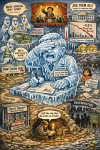
- “Robbed by Restitution?” Curlee Discaya’s Tears Over Returning What He Never Earned

- “No Pressure” Luistro? The House Pork Bazaar Exposed
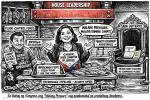
- “My Brother the President Is a Junkie”: A Marcos Family Reunion Special

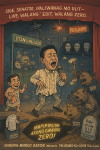
- “Mapipilitan Akong Gawing Zero”: The Day Senator Rodante Marcoleta Confessed to Perjury on National Television and Thought We’d Clap for the Creativity






 KWEBA ni BAROK
Leave a comment