By Louis ‘Barok‘ C. Biraogo — August 9, 2025
1. The ‘Growth’ Illusion: A Tragicomedy in Five Acts
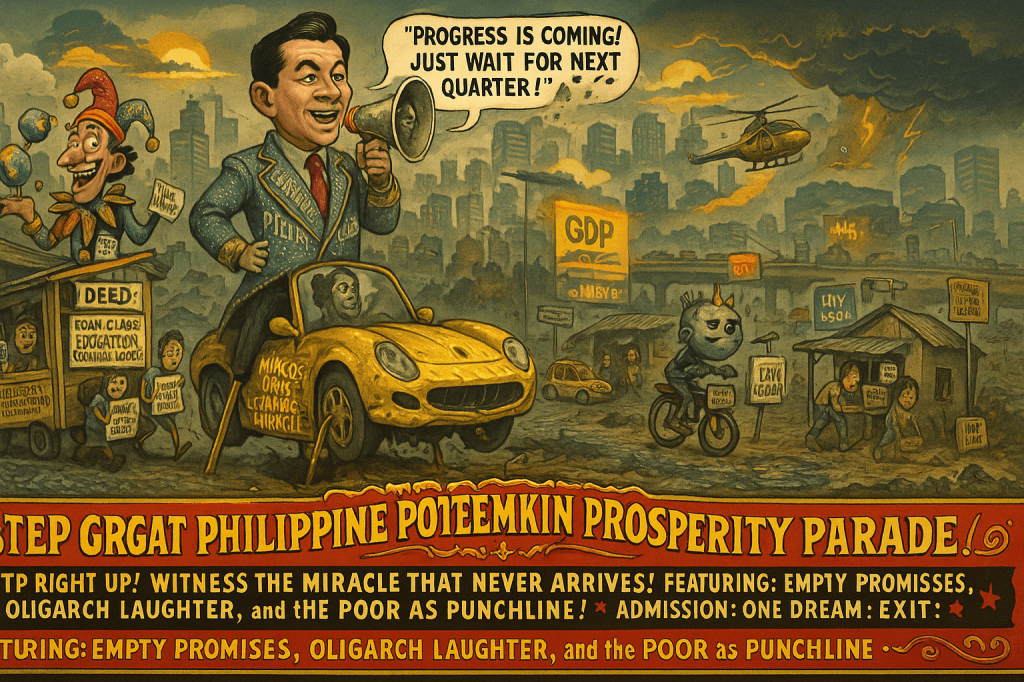
In Manila, traffic is so infernal that by the time you curse the jeepney idling in front of you, another Filipino has slid into poverty, clutching a phone too broke to tweet their rage. Meanwhile, the Marcos administration’s “economic progress” lurches forward like a carabao on tranquilizers, draped in PowerPoint slides that promise prosperity but deliver dust.
The irony is thicker than the haze over EDSA: President Ferdinand Marcos Jr., heir to a dynasty that treated the nation’s coffers like a personal piggy bank, now sells a vision of a gleaming economic future—yet his agenda is a Ferrari stuck in a pothole, all polish and no progress.
Secretary Arsenio Balisacan blames “global uncertainty”—US tariffs and Middle East tensions—for missing growth targets two years running. As if geopolitics invented the Philippines’ crumbling schools, rampant tuberculosis, or farmers sowing despair.
It’s deflection so audacious it could win a Pulitzer for fiction—like blaming a typhoon for a house built on lies. The real storm is local: a government that governs like it’s staging Waiting for Godot, with no Godot in sight.
2. Dissecting Dysfunction: A Tour Through the Philippines’ Policy Graveyard
A. Education: No Child Left Behind… Because They’re All Trapped in the Same Swamp
The Philippine education system is a masterclass in neglect, where “learning gaps” is the polite term for a generation left functionally illiterate. The Philippine Statistics Authority reports one in five senior high school students can’t fully comprehend what they read—a statistic so bleak it’s practically a plea scratched into a broken blackboard.
The 2022 PISA rankings are a kick in the gut: 76th out of 81 countries in reading, math, and science. If PISA were an Olympic event, Filipino kids would be cheering from the bleachers, unable to decipher the score.
Balisacan points to the pandemic, but this catastrophe predates COVID. Classrooms are as rare as competent bureaucrats, and teachers earn wages better suited to street vendors than shapers of a nation’s future. The fix? More promises, fewer desks. It’s as if “world-class education” means teaching kids to dream of a world they’ll never afford to enter.
B. Health: TB or Not TB? The Only Choice the System Offers
The health sector is a grim telenovela where the punchline is a 550% surge in HIV cases since 2010, per the World Health Organization—a viral hit the government missed while liking its own propaganda on TikTok.
Tuberculosis steals the spotlight, with 540,000 cases in 2024. That’s not a healthcare system; it’s a germ’s playground with a logo.
Balisacan calls malnutrition a priority, but the Department of Health is funded like an afterthought, leaving rural clinics without drugs, doctors, or dignity. The poor face a brutal dilemma: buy rice or buy medicine. Officials prattle about “universal healthcare” while families sell their last carabao to cover hospital bills.
It’s a setup where bacteria outwork the cabinet, and the only thing spreading faster than disease is the government’s indifference.
C. Agriculture: Harvesting Dust and Broken Dreams
Filipino farmers face a cosmic prank: no roads, no profits, and a climate crisis that’s nature’s version of a tax on the poor. Soaring food prices fuel inflation, while farmers drown in debt faster than their fields flood in monsoon season.
Balisacan frets over food security, but the government treats agriculture like an unwanted cousin—acknowledged only when convenient. The absence of farm-to-market roads ensures crops rot before reaching markets, and imported goods crush local produce, leaving farmers as casualties in a free-trade fever dream.
The agricultural sector limped to growth in Q1 2025, but staples like corn and mango tanked. A nation of rice paddies where the poor can’t afford rice? That’s not irony; it’s cruelty dressed as policy.
D. Transportation: Build, Baby, Build… Just Kidding
Manila’s traffic is a daily dystopian nightmare, and Marcos’ infrastructure dreams are a plot twist that never arrives. Nearly P1 trillion in delayed ODA projects scream bureaucratic incompetence.
Balisacan pins hopes on amendments to the right-of-way law, but the only thing longer than EDSA’s gridlock is the list of alibis. Projects stall in a quagmire of red tape and land disputes, while the poor spend hours commuting to jobs that barely pay the fare.
Marcos’ decree to “spend the budget efficiently” is like telling a drowning man to swim with style. The “right-of-way” should be renamed “right-to-delay”—a fitting tombstone for a nation stuck in park.
E. Digitalization: Lagging While Logging On
The Philippines, a global champion of social media obsession, has internet so spotty it makes dial-up look futuristic. Only 26% of Metro Manila households have fixed broadband, and rural areas are lucky to load a blurry meme.
Balisacan calls digitalization a “game changer,” but for 58 million Filipinos too poor for 1GB of data a month, it’s a game they’re barred from playing.
The PLDT-Globe duopoly keeps prices astronomical, while regulatory inertia stifles competition. The poor scroll on borrowed phones, dreaming of broadband their leaders can’t deliver.
A nation hooked on Facebook but governed by carrier pigeon? That’s not progress; it’s parody.
3. The Poor: Always the Punchline, Never the Priority
For the Philippines’ destitute, these “policy failures” aren’t jargon—they’re empty stomachs, dead-end jobs, and ERs with no medicine. Balisacan’s talk of “macroeconomic stability” is a sick joke when your child’s ribs are as visible as the cracks in your shanty.
The poor endure every systemic collapse: kids who can’t read, parents who can’t afford drugs, farmers who can’t sell crops, commuters trapped in gridlock, and families priced out of the digital age.
Yet the government’s response is a symphony of denial, conducted with GDP forecasts shinier than a politician’s promises. The slums of Tondo don’t need another keynote—they need schools that teach, hospitals that heal, and leaders who care.
For the elite, poverty is a statistic; for the poor, it’s a life sentence without parole.
4. Blueprints for a Miracle: Radical Hope in a Sea of Incompetence
Let’s try a wild idea: admit “trickle-down economics” flows like Manila’s water supply—erratic, inadequate, and mostly for the rich. Then, govern like millions of lives are on the line, because they are. Here’s how:
- Tax the Oligarchs: Hit the tycoons bankrolling campaigns, not classrooms. Their private islands won’t miss a few pesos.
- Crush ODA Delays: Treat project delays like the crises they are—fire bureaucrats who treat deadlines like horoscopes.
- Repurpose the Military: Can’t build schools? Deploy the army. They’ve got shovels and a history of digging—ask martial law survivors.
- Fund Essentials: Prioritize budgets for education and health over flyovers and photo ops.
But here’s what sparks hope: teachers in Quezon City crowdfunding books, farmers in Nueva Ecija battling climate change with resilient crops. These unsung heroes stitch together a nation the government ignores.
Their tenacity is a rebuke to inaction—and proof that progress is possible if leaders match their fire.
5. Final Sting: Skewering the Dream That Never Was
The Marcos administration has two years to turn this tragic farce into something resembling progress. At their current pace, they’ll need a time machine—or a public education system good enough to invent one.
Until then, the Philippines remains a nation where the poor dream of change, and the powerful dream of re-election selfies.
Key Citations
- US Tariffs and Global Uncertainty – Reuters on US tariffs, cited as part of Balisacan’s “global uncertainty” excuse.
- Philippine Statistics Authority – Source for functional illiteracy among senior high school students.
- 2022 PISA Rankings – OECD report on the Philippines’ 76th ranking out of 81 countries in education.
- HIV Surge – WHO on the 550% rise in HIV cases from 2010 to 2024.
- Tuberculosis Cases – Department of Health data on 540,000 TB cases in 2024.
- Food Security – NEDA statements on food security challenges.
- Agricultural Performance – PSA report on Q1 2025 agricultural growth and commodity declines.
- ODA Delays – Philstar on nearly P1 trillion in delayed ODA projects.
- Right-of-Way Law – Republic Act 10752, the amended Right-of-Way Act.
- Internet Access – Rappler on 26% broadband penetration in Metro Manila and rural gaps.
- Internet Poverty – Oxford Economics on 58 million Filipinos unable to afford 1GB/month.
- Telecom Duopoly – Rappler on PLDT and Globe’s dominance.

- ₱75 Million Heist: Cops Gone Full Bandit

- ₱6.7-Trillion Temptation: The Great Pork Zombie Revival and the “Collegial” Vote-Buying Circus

- ₱1.9 Billion for 382 Units and a Rooftop Pool: Poverty Solved, Next Problem Please

- ₱1.35 Trillion for Education: Bigger Budget, Same Old Thieves’ Banquet
- ₱1 Billion Congressional Seat? Sorry, Sold Out Na Raw — Si Bello Raw Ang Hindi Bumili

- “We Will Take Care of It”: Bersamin’s P52-Billion Love Letter to Corruption

- “Skewed Narrative”? More Like Skewered Taxpayers!

- “Scared to Sign Vouchers” Is Now Official GDP Policy – Welcome to the Philippines’ Permanent Paralysis Economy
- “Robbed by Restitution?” Curlee Discaya’s Tears Over Returning What He Never Earned
- “No Pressure” Luistro? The House Pork Bazaar Exposed
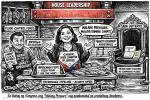
- “My Brother the President Is a Junkie”: A Marcos Family Reunion Special

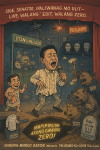
- “Mapipilitan Akong Gawing Zero”: The Day Senator Rodante Marcoleta Confessed to Perjury on National Television and Thought We’d Clap for the Creativity

 KWEBA ni BAROK
Leave a comment