By Louis ‘Barok‘ C. Biraogo — August 28, 2025
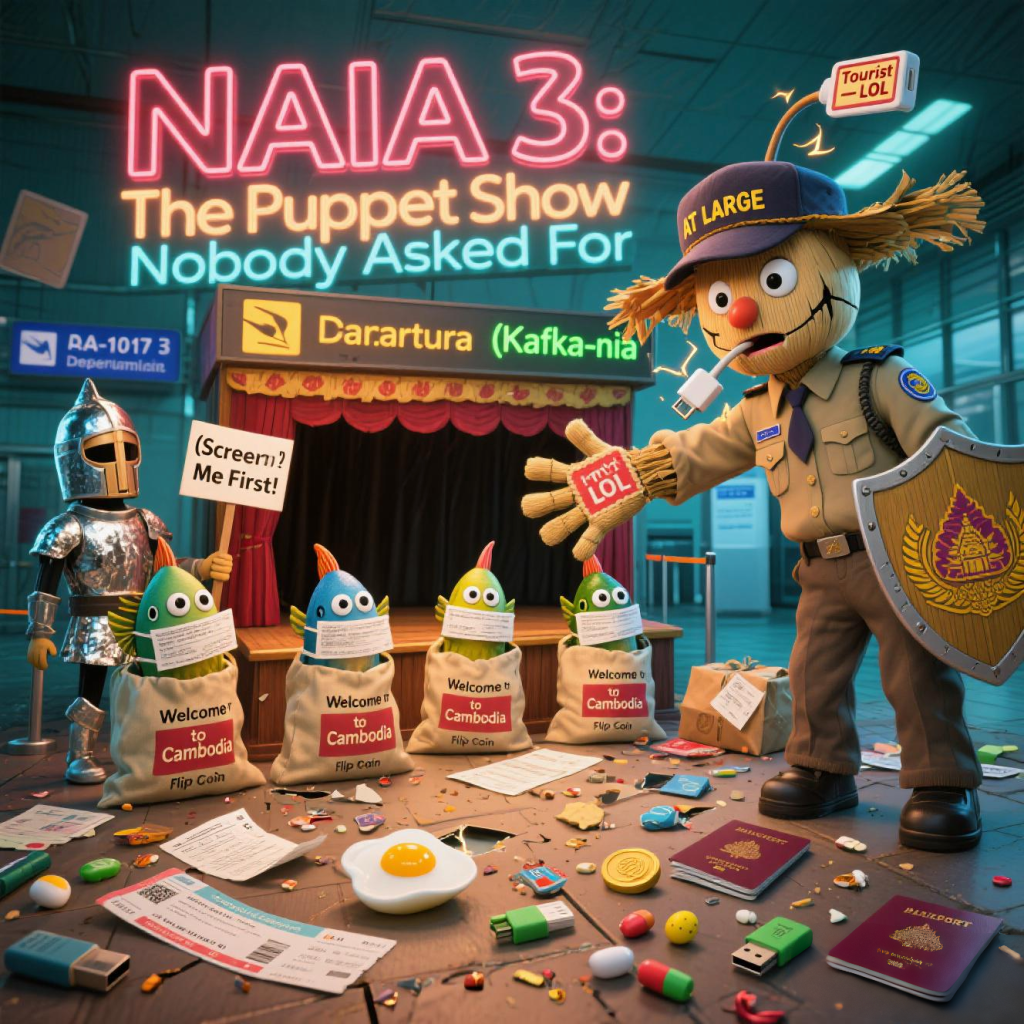
WELCOME to the latest installment of As the Philippines Spins, where the National Bureau of Investigation (NBI) and Bureau of Immigration (BI) stage a tragicomedy of corruption, incompetence, and performative justice that would make Kafka weep into his Metamorphosis manuscript. The plot: a rogue BI officer, now conveniently “at large,” waved three passengers through NAIA Terminal 3 with dodgy employment contracts, bound for Cambodia’s scam sweatshops under the flimsy guise of “tourist” travel. The NBI, our knights in tarnished armor, slapped the officer with charges under the Cybercrime Prevention Act (RA 10175) and the Anti-Trafficking in Persons Act (RA 9208), while tossing the passengers into inquest for falsification under the Revised Penal Code (RPC Art. 171). Buckle up for a scathing dissection of this legal circus, where the only thing more fraudulent than the documents is the system pretending to fix it.
1. The Legal Theater of the Absurd: A Masterclass in Overreach and Ineptitude
The NBI’s legal strategy is less a calculated strike and more a blindfolded swing at a piñata stuffed with procedural landmines. Charging the BI officer under RA 10175 for computer-related forgery is a bold attempt to drag Philippine justice into the digital age—like strapping a Tesla battery to a tricycle and praying it doesn’t explode. Section 4(b)(1) punishes inputting or altering inauthentic data in a computer system, which sounds cutting-edge until you realize it hinges on proving the officer actively used a computer to facilitate the forgery. Did they? Or did they just slap a physical stamp on a boarding pass like it’s 1995? If the NBI can’t produce metadata, server logs, or a smoking USB stick, this cybercrime charge will crumble faster than a balut egg under a semi-competent defense attorney’s cross-examination. The 2024 DOJ procedural rules demand “reasonable certainty of conviction,” but this case smells like it’s aiming for “reasonable certainty of embarrassment.”
Contrast this with the trusty RPC Art. 171, falsification by a public officer—a legal warhorse convicting corrupt bureaucrats since the Spanish era. Prove the officer knowingly endorsed false documents using their authority, and they’re toast. Supreme Court precedents like People of the Philippines vs. Jose Ting Lan Uy, Jr. (G.R. No. 157399, November 17, 2005) affirm convictions when public officers fake it for personal gain. Why the NBI didn’t lean harder on this instead of the cybercrime flex is anyone’s guess—maybe they wanted to look “cyber-savvy” for the headlines. Spoiler: Art. 171 is the safer bet, assuming the NBI didn’t botch the evidence chain, which, given the Philippines’ track record, is like betting on a one-legged rooster in a cockfight.
Evidence Chain Nightmare: The case hinges on digital forensics and stamp logs, and here’s where the comedy kicks in. The 2024 DOJ rules emphasize meticulous handling of electronic evidence, but the BI’s systems are likely running on Windows XP, and the NBI’s forensic team probably consists of one overworked techie with a pirated copy of Wireshark. If the chain of custody for those boarding passes or digital contracts is anything less than pristine, defense motions will shred it like lumpia wrappers. The NBI’s cybercrime gambit requires logs, metadata, and a clear link to the officer’s actions—good luck in a country where “audit trail” sounds like a hiking path. Prediction: This case stalls in preliminary investigation, buried under motions and a prosecutor’s dawning realization that “reasonable certainty” is a pipe dream.
2. The Bureau of Immigration: A Cesspool with a Logo
The BI isn’t just a government agency; it’s a syndicate with better branding. This scandal is a rerun of the “pastillas” scheme, where officers pocketed bribes wrapped like candies to let traffickers and victims breeze through NAIA. Low pay? Sure, BI grunts aren’t rolling in pesos, but that’s the excuse, not the reason. The real driver is a business model where corruption isn’t an anomaly—it’s the org chart. In 2024, 103 BI personnel were probed for trafficking-related shenanigans, yet scandals keep coming like a telenovela with no finale. 2024 U.S. TIP Report
Why the Rot Persists:
- Institutionalized Corruption: Schemes like pastillas aren’t outliers; they’re the BI’s de facto revenue stream. Officers allegedly earned millions facilitating illegal entries and exits, with syndicates paying for “VIP escorts.” GMA News, Pastillas Scheme
- Impunity Theater: The cycle is predictable—scandal, suspensions, media grandstanding, and quiet reintegration. Of the 45 officers “dismissed” in the 2020 pastillas probe, bet half are back at their desks, stamping passports with a smirk. GMA News, Pastillas Probe
- Political Protection: Syndicates don’t thrive without friends in high places. BI’s cozy ties to power brokers ensure big fish swim free while low-level grunts take the fall. The real beneficiaries? Politicians banking campaign funds, traffickers moving bodies, and scam lords in Cambodia raking in millions while Filipino workers slave in call centers from hell. Rappler, Trafficking Networks
3. The NBI: Heroes or Clowns in a Different Circus?
The NBI wants applause for this arrest, but let’s hold the Oscars. This smells like a politically convenient hit job on a low-level officer to distract from the BI’s systemic rot and the NBI’s own spotty record. The timing is suspicious—hot on the heels of their failure to pin anything on the VP Sara Duterte assassination threat case, which fizzled despite its national security stakes. Why does one case get traction while the other collects dust? Selective enforcement, that’s why. The NBI loves a headline, and nabbing a BI officer for cybercrime and trafficking is sexier than chasing shadowy political threats that might implicate someone untouchable.
The NBI’s track record is a mixed bag of grandstanding and futility. They’ve got cyber units and task forces with the PNP and PAOCC, but their batting average on high-profile cases is abysmal. Corruption within their ranks doesn’t help—human rights groups flag NBI complicity in abuses, and probes often stall under political pressure. Human Rights Watch, Philippines This case is less about justice and more about optics—a shiny distraction to make the public think someone’s fighting the good fight.
4. The Human Carnage: Justice as a Punchline
Now, the three passengers—either trafficking victims or willing accomplices, and the system’s too lazy to figure out which. RA 9208, Sec. 17 explicitly protects trafficked persons from prosecution, yet the NBI’s tossing them into inquest for falsification like they’re master forgers, not desperate workers lured by social media promises of “customer service” jobs in Cambodia. This is peak Philippine justice: criminalize the vulnerable while recruiters, BI enablers, and scam lords sip piña coladas in the shadows. The hypocrisy is thicker than Manila traffic.
If these passengers were coerced or deceived, prosecuting them violates RA 9208’s spirit and proves the system prefers flexing on easy targets over dismantling trafficking pipelines. The NBI should be screening for victim status and coordinating with DSWD, not parading them for inquest to pad stats. But why bother with nuance when you can slap on an RPC charge and call it a day? This is “justice” as a cruel joke, punishing the exploited to avoid chasing the powerful.
5. Scandal Aftermath: Another Nail in the Coffin of Philippine Credibility
This case is a microcosm of the Philippines’ knack for shooting itself in the foot. Internationally, it’s another black mark on the U.S. TIP Report, which flagged BI personnel for trafficking complicity in 2024. Each scandal cements the country’s reputation as a trafficker’s haven, scaring off investors who’d rather not sink money into a place where border guards moonlight as syndicate lackeys. Economic hits include repatriation costs, lost remittances, and a tourism sector on life support. Inquirer, Economic Costs
Domestically, the rule of law is a punchline. When Filipinos see border guards as predators and the NBI as a selective enforcer, trust evaporates faster than a puddle in Tondo. This fuels cynicism, talent emigration, and a cycle where only the corrupt thrive. Legally, RA 10175 and RA 9208 are powerful on paper, but their application risks exposing their limits. If the cybercrime charge flops or trafficking intent can’t be proven, courts will lean on RPC Art. 171, reinforcing that old-school falsification is the only thing that sticks. Department of Justice v. Ong (G.R. No. 220749) The 2024 DOJ rules’ “reasonable certainty” standard will be the first casualty, mocked by a defense team that smells a shaky case.
Recommendations: Because Hope Is a Sucker’s Bet
Here’s a laundry list of fixes doomed to gather dust because the system thrives on dysfunction:
- Digitalize BI systems: Replace ancient stamps with tamper-proof digital logs tied to biometric officer IDs. Crazy idea: use tech from this century. BI, Digitalization
- Stop recycling corrupt officers: Dismiss them for real, not a paid vacation. The Ombudsman could enforce RA 6713 instead of using it as a coaster.
- Screen passengers as victims first: Follow RA 9208’s mandate and stop prosecuting trafficking survivors to hit quotas. Basic decency, anyone?
- Trace the money: Use asset forfeiture to follow bribe trails and dismantle syndicates. Spoiler: it leads higher than a lone BI officer.
- International cooperation: Work with Hong Kong and Cambodia to shut down scam hubs, not just deport victims for round two. Arab News. (2025, April 5), Trafficking Rescues
These ideas are so sensible they’re dead on arrival. The Philippines will keep staging this farce until citizens stop clapping for the same tired script.
Conclusion: A Despairing Chuckle at the Abyss
This case is a masterclass in systemic rot, where BI corruption, NBI selective zeal, and a creaking legal system conspire to deliver injustice with a side of sarcasm. The laws—RA 10175, RA 9208, RPC Art. 171—are tools, but in this bureaucracy’s hands, they’re as useful as a paper umbrella in a typhoon. The Philippines’ reputation takes another hit, its people lose faith, and the vulnerable get screwed while the powerful skate. Raise a glass to the rule of law—it’s not dead, but it’s on life support.
Key Citations
- GMA News, NBI Complaint vs. BI Officer (Aug 26, 2025): Original news report detailing the NBI’s charges against the BI officer and passengers.
- GMA News, Pastillas Scheme (2020): Coverage of the pastillas bribery scheme involving BI officers.
- 2024 U.S. TIP Report, Philippines: Highlights BI personnel’s involvement in trafficking and systemic issues.
- Rappler, Trafficking Networks (2023): Discusses BI complicity in trafficking to scam hubs like Myanmar and Cambodia.
- Philippine Star, Trafficking Rescues (2023): Reports on Filipinos trafficked with BI aid.
- Arab News. (2025, April 5). Philippines sees new human trafficking trend after 206 rescued from Myanmar scam hub: Reports on Filipinos trafficked with BI aid.
- Inquirer, Economic Costs of Corruption (2023): Analyzes economic impacts of corruption, including BI scandals.
- Human Rights Watch, Philippines (2024): Critiques NBI and security forces’ complicity in abuses.
- RA 10175, Cybercrime Prevention Act (2012): Legal text defining computer-related forgery.
- RA 9208, Anti-Trafficking in Persons Act (2003): Legal text on trafficking and victim protection.
- RA 6713, Code of Conduct (1989): Ethical standards for public officers.
- RPC Art. 171, Revised Penal Code (1930): Falsification by public officers.
- People of the Philippines vs. Jose Ting Lan Uy, Jr. (G.R. No. 157399, November 17, 2005): Supreme Court precedent on falsification convictions.
- Department of Justice v. Ong (G.R. No. 220749, 2022): Upholds BI corruption probes involving falsified documents.
- Rappler, BI Digitalization Efforts: Discusses BI’s attempts at technological upgrades.
- DOJ, 2024 Procedural Rules: General DOJ site; specific 2024 rules unavailable publicly but referenced in materials.


 KWEBA ni BAROK
Leave a comment