By Louis ‘Barok’ C. Biraogo
In a surprising yet commendable move, the House of Representatives in the Philippines has approved a bill legalizing divorce, setting the stage for a long-overdue debate on the matter in the Senate. This landmark decision stands to impact countless Filipinos trapped in untenable marriages, offering a lifeline of legal and emotional reprieve. Yet, the bill has met staunch opposition from several senators, including Senator Cynthia Villar, whose reasoning, while personal, raises critical questions about the intersection of individual experience and public policy.
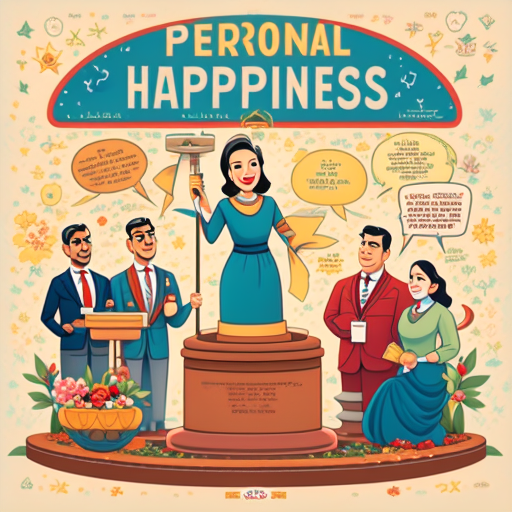
Senator Villar, a figure of significant influence, has cited her personal happiness as a basis for opposing the divorce bill. “I have a very happy family life, so I’m not in favor of divorce,” she remarked. While it is indeed fortunate that Senator Villar enjoys a stable and loving marriage, her argument, rooted in personal satisfaction, fails to acknowledge the lived realities of many Filipinos. Basing public policy on personal experience, especially when one’s circumstances are markedly privileged, is not just myopic but inherently self-centered.
The bill’s critics, including Senate President Francis Escudero and Senators Joel Villanueva and Koko Pimentel, echo sentiments of protecting familial structures. Senator Juan Miguel Zubiri articulated a concern about preserving traditional family values, drawing an analogy to the transient nature of “Las Vegas weddings.” However, such comparisons trivialize the profound anguish endured by those seeking divorce not as an escape but as a necessity.
Opponents fear that legalizing divorce will dismantle the sanctity of marriage, turning it into a casual, reversible contract. This speculation, however, overlooks the stringent measures and thoughtful considerations embedded within the bill to ensure that divorce remains a well-considered decision, not a frivolous one. Moreover, these fears ignore the current reality: countless individuals already live in de facto separations, enduring legal, financial, and emotional limbo.
The Philippines remains one of the last countries without divorce legislation, a fact that subjects many to prolonged suffering. The divorce bill seeks to address this by offering a structured, compassionate way out for those in abusive, loveless, or irreparably damaged marriages. It is a move toward justice, recognizing that the dissolution of marriage should not be seen as a societal failure but as a remedy for individual well-being and safety.
Senators Grace Poe and JV Ejercito, who have shown openness to the bill, illustrate a more nuanced understanding of the issue. Their willingness to amend and refine the bill indicates a balanced approach that values both the institution of marriage and the individual’s right to personal freedom and happiness.
Ultimately, the push for divorce legislation in the Philippines is about more than just changing a law; it is about shifting a cultural narrative that often prioritizes the abstract notion of family over the concrete suffering of its members. The courage to debate and pass this bill represents a significant step toward a more compassionate and equitable society, where personal happiness and legal recognition go hand in hand.
In a nation that prides itself on its familial bonds, it is crucial to remember that the strength of a society lies not just in its ability to uphold traditions, but in its capacity to adapt them to serve justice and human dignity. The divorce bill embodies this principle, and it is high time that the Philippine Senate recognizes the profound positive impact it can have on the lives of its people.



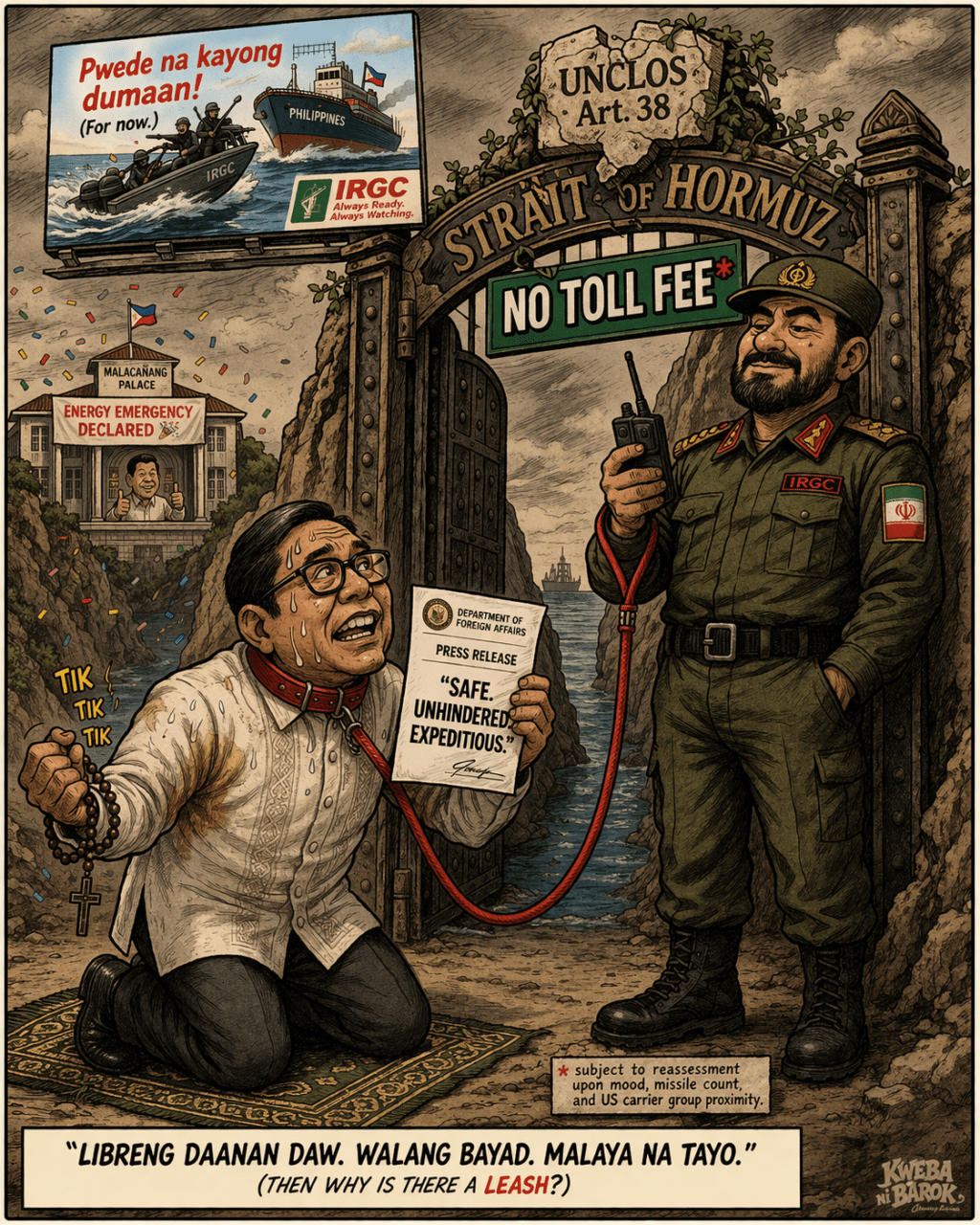

 KWEBA ni BAROK
Leave a comment