
By Louis ‘Barok‘ C. Biraogo
In a city long overshadowed by the specter of drug-related violence, a glimmer of integrity and accountability emerges from an unexpected corner. Vice Mayor Jay Melchor Quitain Jr. and his councilors in Davao City have made a bold declaration: they are willing to undergo drug testing to prove their commitment to a drug-free government. This proposition, simple yet profound, carries the potential to reshape public trust and reinforce the integrity of local governance.
Vice Mayor Quitain’s proposition is a laudable stride towards transparency and accountability. In a climate where suspicion and rumors can erode public confidence, voluntary drug testing by public officials serves as a potent symbol of their dedication to integrity. It sends a clear message: those who govern are not above the laws they enforce. Quitain’s initiative is not only a proactive response to external scrutiny but a strong statement of moral leadership. By embracing transparency, he sets a high standard for public service, reinforcing the idea that governance must be built on trust and credibility.
Moreover, Quitain’s insistence that drug testing should be random and ongoing demonstrates a nuanced understanding of the complexities involved in tackling drug use. Random testing is a powerful deterrent, creating an environment where the risk of detection is omnipresent. It underscores a commitment to continuous vigilance rather than one-off gestures. Quitain’s emphasis on randomness ensures that testing cannot be easily circumvented, making it a robust mechanism to keep drug use in check within the government.
Equally commendable is the initiative of Surigao del Norte Representative Robert Ace Barbers, whose call for an investigation into drug use among Davao City’s government employees acted as a catalyst for Quitain’s proposition. Barbers’ proactive stance reflects a broader commitment to eradicating drug use from all echelons of government. His advocacy for involving the Philippine National Police (PNP) and the Philippine Drug Enforcement Agency (PDEA) highlights the necessity of a comprehensive and collaborative approach to the drug menace.
Barbers’ efforts must be extolled for their foresight and urgency. His actions underscore the importance of addressing not just the symptoms but the root causes of drug problems within government institutions. By advocating for stringent measures and thorough investigations, Barbers demonstrates an unyielding resolve to cleanse the government of corruption and drug influence. His initiative fosters a culture of accountability, ensuring that public servants remain true to their duty of serving the people with integrity.
In a society fractured by drug-related strife, the initiatives of Quitain and Barbers serve as beacons of hope and reform. They call for understanding and unity in the fight against illegal drugs, urging officials and citizens alike to stand together in fostering a community grounded in trust and integrity. These efforts, however, must be part of a larger, sustained campaign against the drug crisis—a campaign that involves education, rehabilitation, and socio-economic development to address the underlying issues driving drug use.
As we witness these commendable efforts, we must recognize that real progress requires collective action. Quitain and Barbers have set the stage, but it is up to the entire community to follow suit. The journey to a drug-free society is arduous, but with leaders like Quitain and Barbers at the helm, there is a renewed sense of hope. Their commitment to transparency, accountability, and proactive measures could very well ignite a broader movement towards a cleaner, safer, and more just society.
In the shadows of skepticism and despair, the bold steps of these leaders offer a beacon of light, promising a future where integrity prevails and public trust is restored. Let us support and amplify their efforts, understanding that the battle against drugs is not just a political issue but a moral imperative, demanding unwavering resolve and unity from us all.

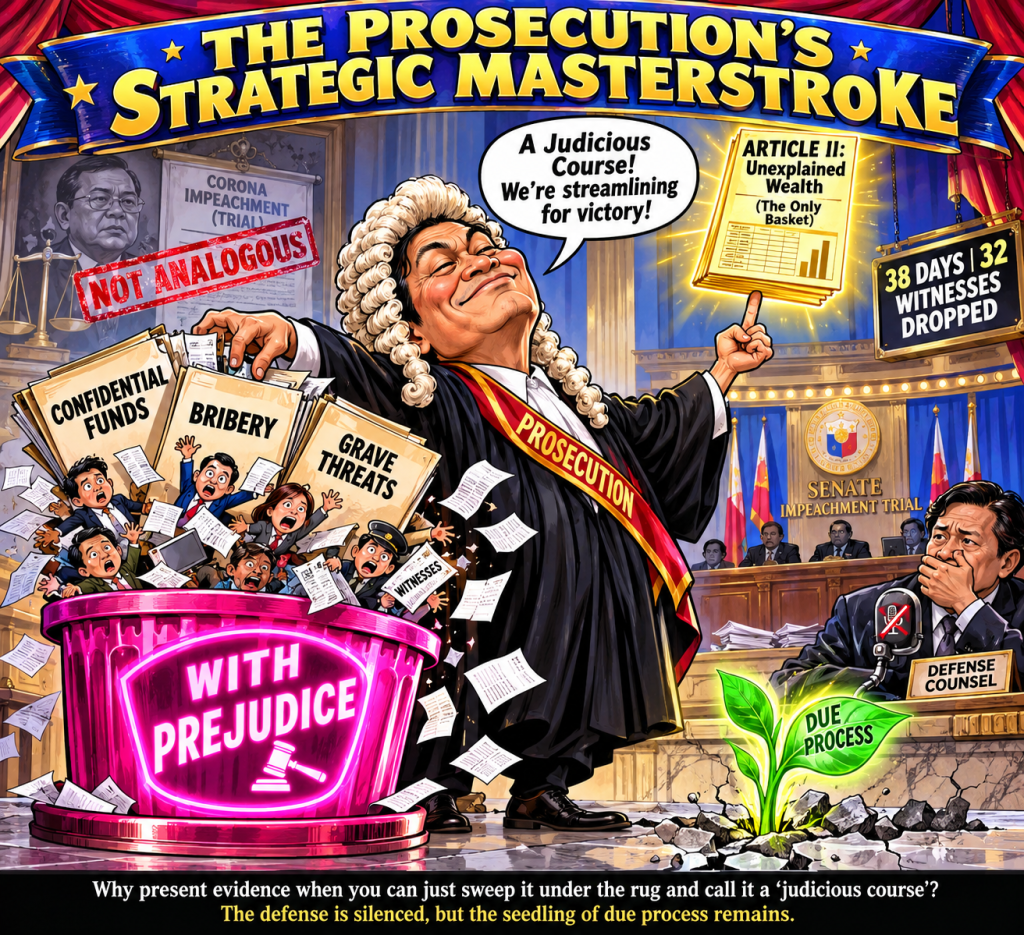
- The Prosecution’s Surrender, Dressed Up as Strategy

- Remulla’s New Anti-Corruption Channel Has Everything Except a Launch Date

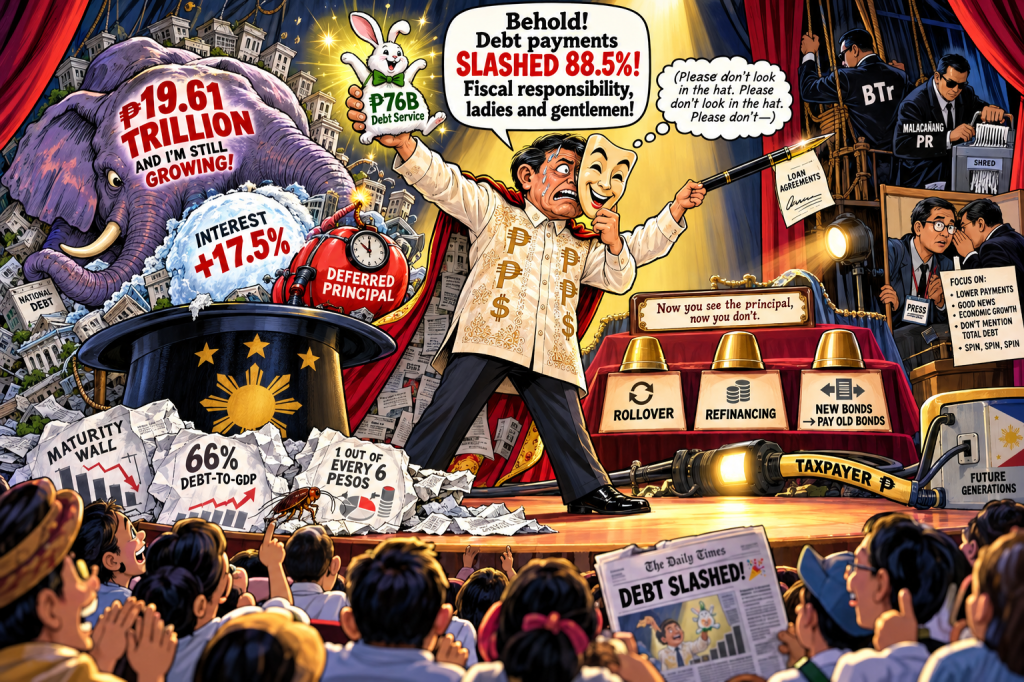
- Paying Less, Owing More: The Philippine Debt Shell Game Nobody Wants You to See

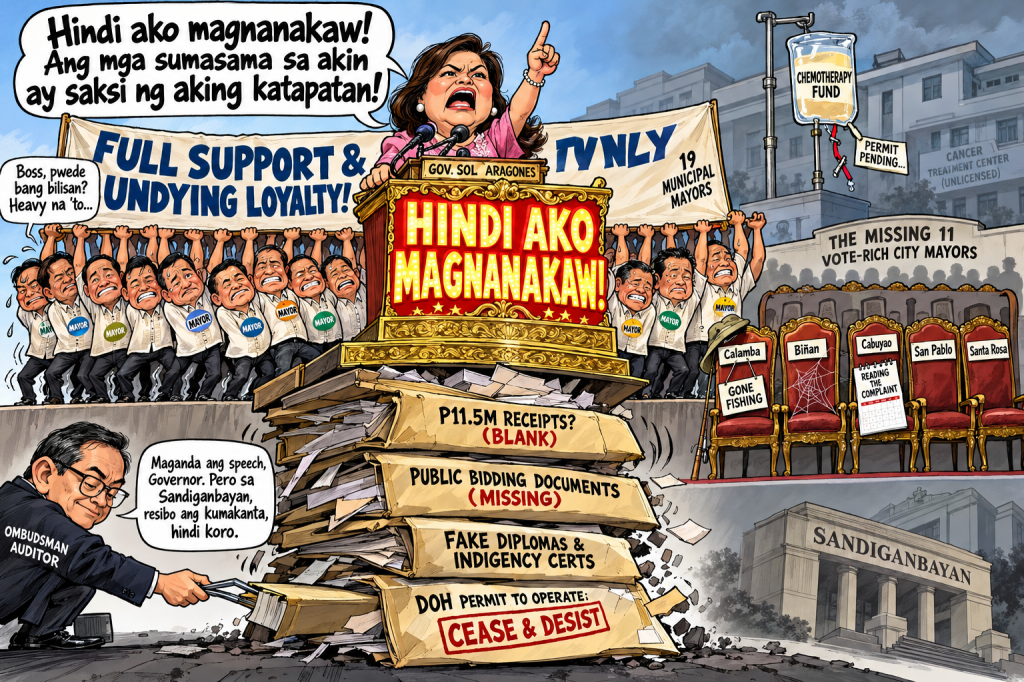
- Hindi Ako Magnanakaw: Aragones, the Mayors, and the Missing Receipts
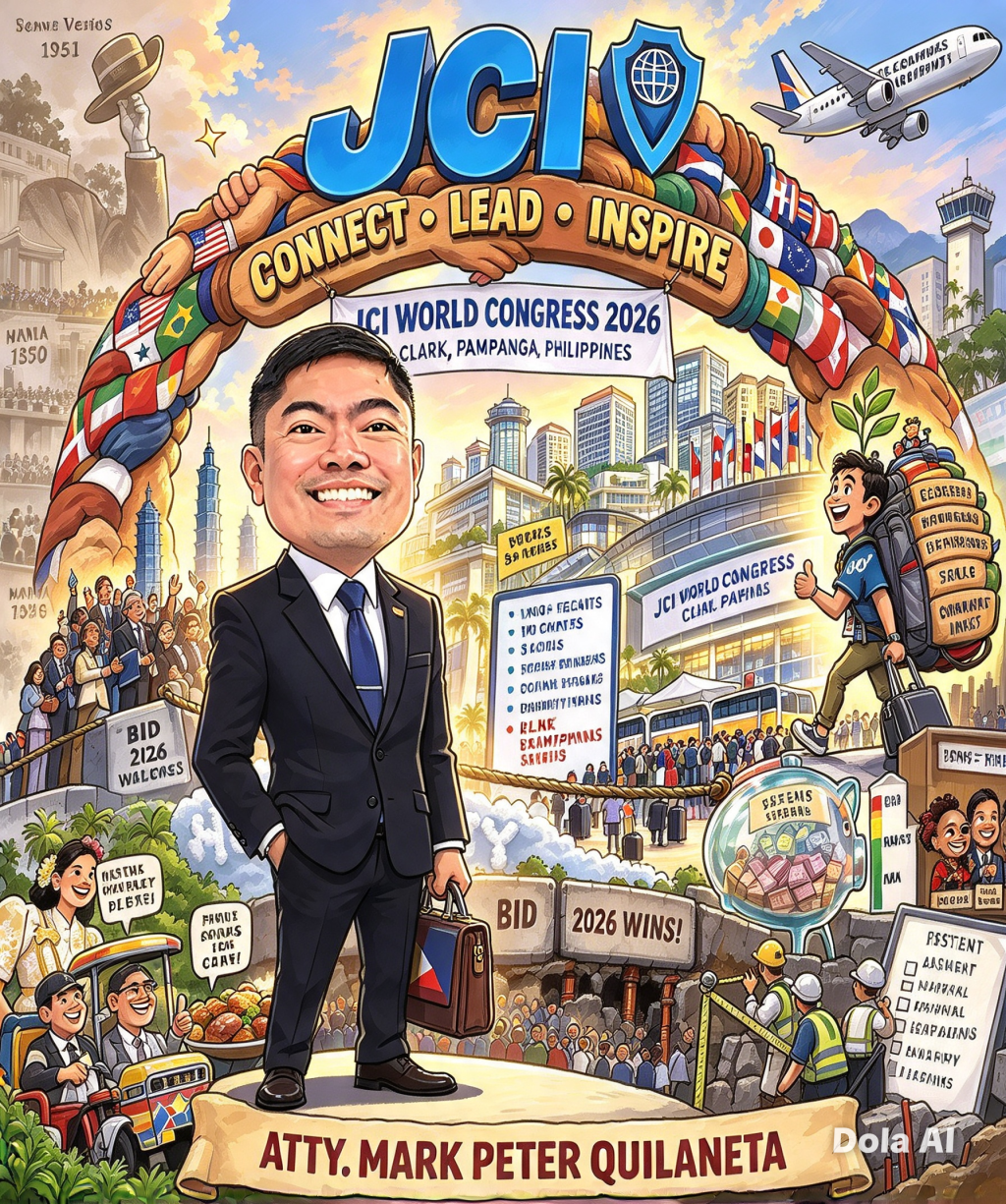
- When the Jaycees Bring the World to Clark: A Filipino Homecoming 76 Years in the Making






Leave a Reply