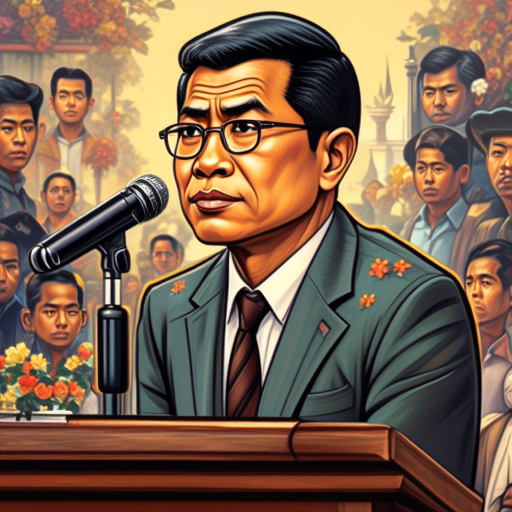
By Louis ‘Barok‘ C. Biraogo
The haunting echoes of Rodrigo Duterte’s deadly war on drugs continue to reverberate through the Philippine streets, a stark testament to the brutality inflicted under his regime. As the dust settles, the question lingers with increasing urgency: Why have no charges been filed against Duterte despite overwhelming evidence of state-sponsored killings?
In a recent House committee hearing, lawyer Chel Diokno’s pointed questions to the Department of Justice (DOJ) underscored the glaring absence of accountability. Diokno, who chairs the Free Legal Assistance Group, lamented, “There has been no accountability as far as the war on drugs is concerned.” His frustration is palpable. With over 6,000 deaths confirmed by the Philippine National Police and the Supreme Court itself acknowledging over 20,000 drug-related killings, the case against Duterte seems not just compelling but incontrovertible.
Yet, the wheels of justice grind ever slowly. Diokno’s plea for the DOJ to act was met with the stark reality that victims’ families, gripped by fear, are too terrified to pursue legal action against the former President. The chilling irony of a nation paralyzed by fear is starkly evident. The victims’ relatives are caught in an agonizing bind, their silence a grim testament to the terror that still lingers.
As the debate unfolds, Manila Rep. Bienvenido Abante Jr. asked a question that cuts to the heart of the matter: “Why do you have to wait for the DOJ to act when you could [file] a class suit on this against the former President?” Abante’s query is not just rhetorical; it is a call to action, urging Diokno and his colleagues to transcend their fears and legalize their moral imperative. Yet, Diokno’s response, laden with caution, highlights the legal complexities and the monumental courage required to take such a step.
TAKING MATTERS INTO OUR OWN HANDS
Diokno’s reluctance to act alone, citing the fear of endangering clients, may be understandable, but it is also a tacit admission of surrender to the system that Duterte sought to manipulate. Here’s a path forward for Diokno and every lawyer, every citizen who believes in justice and the rule of law:
1. Forge a Coalition of Courage:
Diokno and his allies must form a united front, rallying human rights lawyers, civil society organizations, and international legal experts. Historical precedents, such as the International Criminal Tribunal for the former Yugoslavia, demonstrate that collective action can break the barriers of fear and apathy.
2. Leverage International Law:
While the Philippines has withdrawn from the International Criminal Court (ICC), the principle of universal jurisdiction remains a potent tool. Universal jurisdiction allows national courts to prosecute crimes against humanity, irrespective of where they were committed. Diokno and his allies could explore filing cases in other jurisdictions with jurisdiction over international crimes, such as the International Criminal Court, if the country reconsiders its stance or through international courts and tribunals that have jurisdiction over these matters.
A. International Tribunals and Courts: Diokno could pursue justice through other international bodies, such as the International Court of Justice (ICJ) or regional human rights courts, like the ASEAN Intergovernmental Commission on Human Rights (AICHR). These platforms may offer avenues to hold accountable those responsible for crimes against humanity.
B. Global Advocacy and Support: By galvanizing international support and leveraging diplomatic channels, Diokno could push for broader international investigations or the involvement of UN special rapporteurs and human rights bodies. These entities can exert pressure on both the Philippine government and the international community to address the atrocities committed during Duterte’s tenure.
C. Collaboration with International Legal Experts: Engaging with international legal experts, human rights organizations, and advocacy groups could enhance the credibility and scope of any legal actions. These collaborations could facilitate the gathering of evidence, the presentation of cases, and the mobilization of global legal and public support.
3. Engage the Philippine Commission on Human Rights (CHR):
While the CHR’s efforts have often been stymied by lack of support and resources, there is a pressing need to galvanize this body into action. Diokno could lead initiatives to bolster the CHR’s investigations, demanding accountability through public pressure and advocacy.
4. Empower Victims and Families:
Providing protection and support to victims’ families is crucial. Diokno could establish a fund for legal support, counseling, and security for these families, ensuring that they are not left to fend for themselves against a system that has failed them.
5. Public Mobilization and Advocacy:
Engaging the public through rallies, petitions, and media campaigns is essential. The fight against impunity must be a mass movement, echoing the struggles of historical figures like Nelson Mandela and Mahatma Gandhi, whose unwavering commitment to justice inspired nations.
HISTORICAL PARALLELS AND A CALL FOR JUSTICE
The specter of impunity in the Philippines today is reminiscent of the dark days of authoritarian rule in Latin America and Southeast Asia. Yet, history also provides a glimmer of hope. The triumphs of the International Criminal Tribunals in Rwanda and the former Yugoslavia remind us that justice, however elusive, is attainable.
Duterte’s legacy of terror should not be normalized or forgotten. The House committee’s hearings are a critical juncture. They must serve as a clarion call to every Filipino, every advocate for human rights, to push for justice with renewed vigor and unyielding resolve.
RECOMMENDATIONS:
1. Strengthen Domestic Legal Actions: Diokno should explore all avenues within Philippine law, from filing class suits to invoking the writ of amparo and habeas corpus for the victims.
2. International Advocacy: Engage with international human rights organizations and United Nations bodies to bring global attention to the plight of the victims and pressure the Philippine government to act.
3. Education and Mobilization: Launch nationwide campaigns to educate Filipinos about their rights and the importance of the rule of law, fostering a culture of accountability and justice.
4. Support for Victims’ Families: Establish a comprehensive support system for families of the victims, ensuring their safety, legal assistance, and emotional support.
In the end, the fight for justice in the Philippines is not merely a legal battle but a moral crusade. Chel Diokno and his colleagues must rise to the challenge, forging a united front with human rights lawyers, civil society, and international allies. As we stand on the precipice of this crucial moment, let us remember that history is shaped by those who dare to act. The time for silence is over; Diokno and his companions must seize this moment. The time for justice is now.

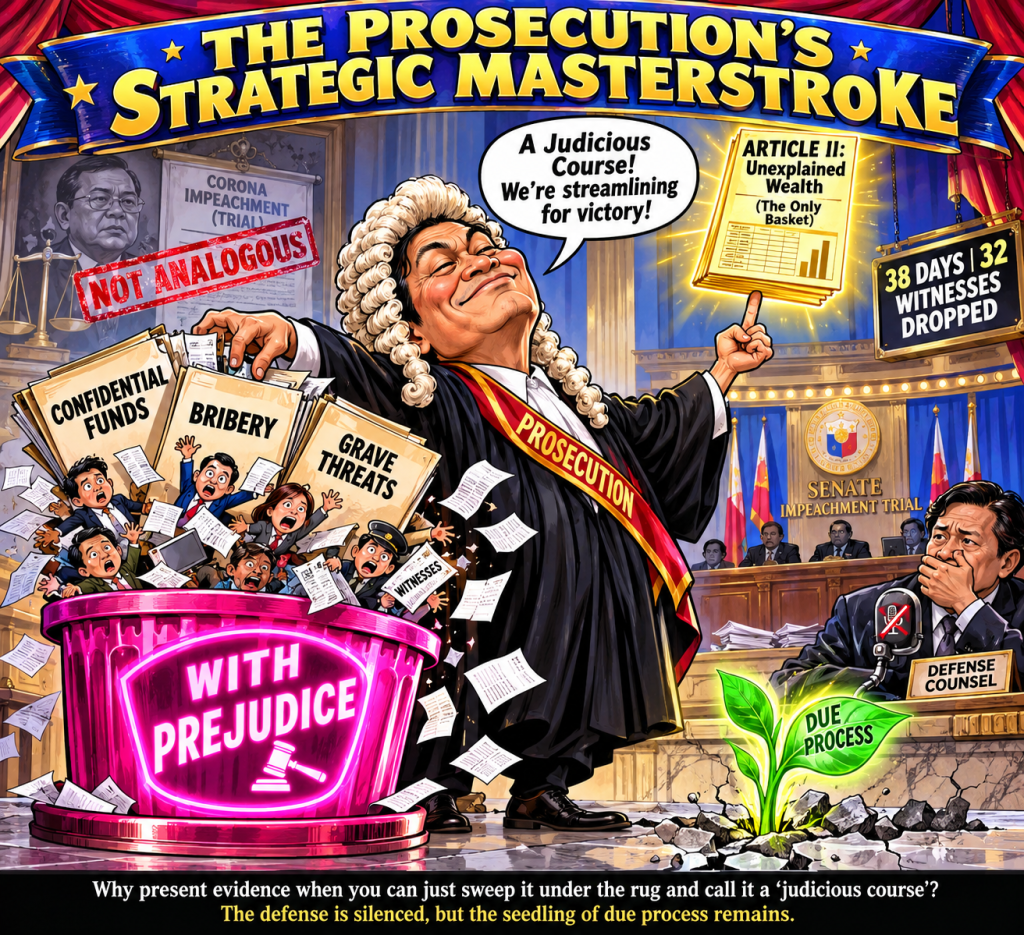
- The Prosecution’s Surrender, Dressed Up as Strategy
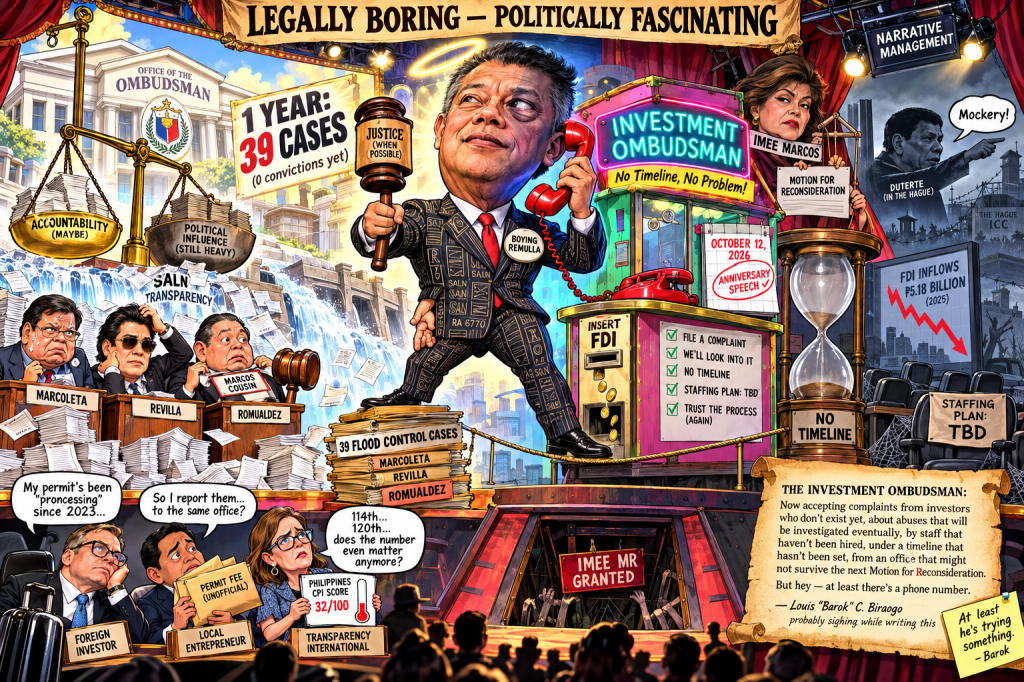
- Remulla’s New Anti-Corruption Channel Has Everything Except a Launch Date

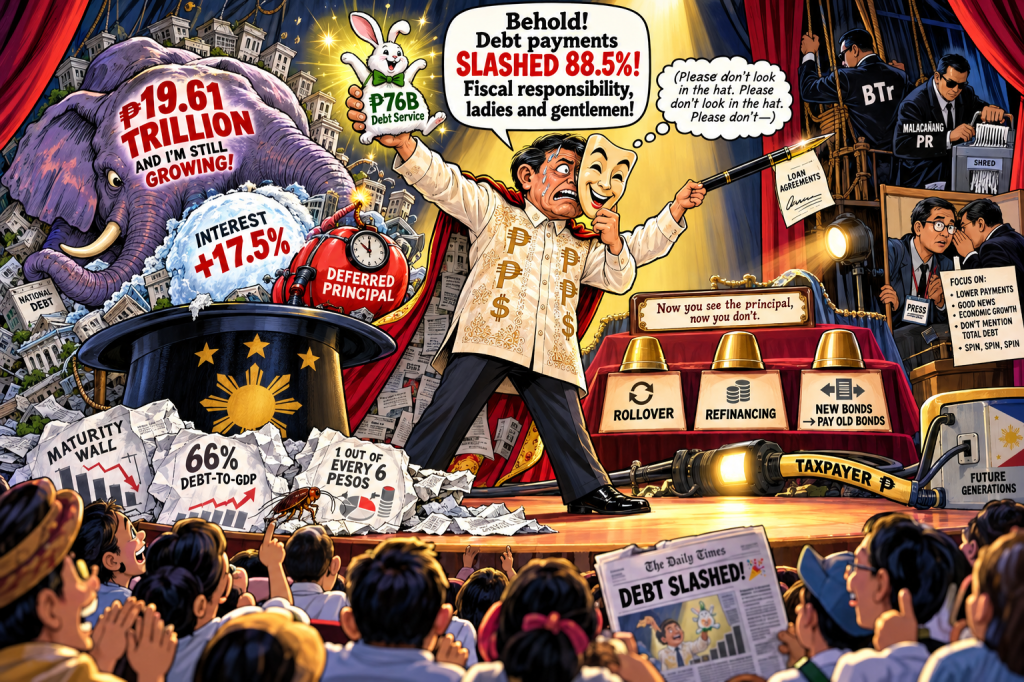
- Paying Less, Owing More: The Philippine Debt Shell Game Nobody Wants You to See

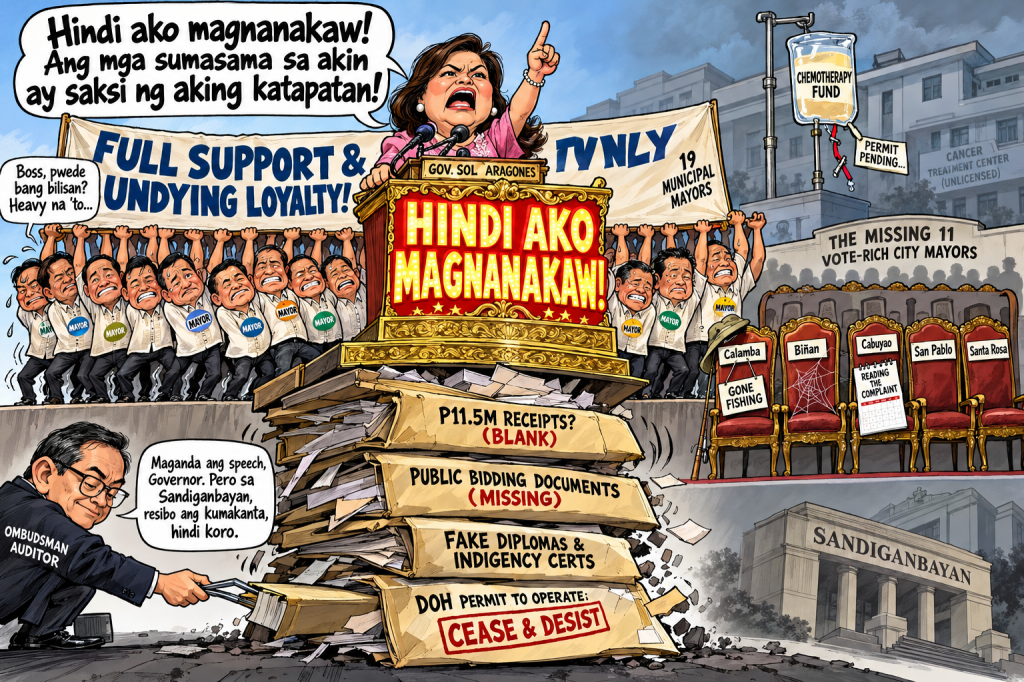
- Hindi Ako Magnanakaw: Aragones, the Mayors, and the Missing Receipts
- When the Jaycees Bring the World to Clark: A Filipino Homecoming 76 Years in the Making



Leave a Reply