
By Louis ‘Barok‘ C. Biraogo
In a volatile corner of Southeast Asia, a single meeting carries the weight of a potential diplomatic breakthrough. On a humid July afternoon in Manila, Executive Secretary Lucas Bersamin and Chinese Ambassador Huang Xilian sat down to reaffirm their commitment to a cause that extends beyond borders—combating the scourge of illegal Philippine Offshore Gaming Operators (POGOs) and their associated crimes. The shadows of espionage and organized crime cast a long pall, but the light of cooperation pierced through.
In the heart of the Philippines, POGOs had mushroomed since 2016, a byproduct of liberal gaming laws that allowed these operations to flourish. Many POGO hubs, run by Chinese nationals, became notorious breeding grounds for heinous crimes—kidnapping, human trafficking, and even murder. The Philippine government’s crackdown, catalyzed by mounting public outcry and a Senate investigation into the suspected espionage activities of a local mayor, has now found a robust ally in China.
China’s support is not merely symbolic. Beijing has demonstrated its resolve by helping Manila shut down five POGO hubs and repatriate a thousand Chinese nationals. This cooperation is more than a tactical victory; it signals a paradigm shift in regional diplomacy. As Bersamin and Huang pledged to bolster their partnership, they set the stage for a broader and deeper engagement that could redefine Sino-Philippine relations.
The timing of this meeting is critical. The Senate’s scrutiny of Alice Guo, the mayor of Bamban, Tarlac, accused of being a Chinese spy, adds a layer of urgency and complexity. The allegations against Guo are severe—she’s suspected of being a conduit for POGO-related crimes, with her fingerprints matching those of a Chinese national who entered the Philippines two decades ago. Senator Risa Hontiveros’s assertion that Guo was a plant by Beijing to infiltrate local politics underscores the high stakes involved.
Yet, amidst the cloak-and-dagger intrigue, the meeting between Bersamin and Huang shines as a beacon of hope. Their dialogue, marked by mutual respect and shared objectives, offers a path forward. It is a testament to the power of diplomacy—a reminder that even in the face of grave suspicions and geopolitical tensions, nations can find common ground.
This burgeoning cooperation could be a linchpin in resolving one of the region’s most contentious issues: the South China Sea conflict. The Philippines and China have long been at loggerheads over territorial claims in this strategic waterway, but the collaborative spirit evidenced in the crackdown on POGOs could pave the way for more constructive engagement. If both countries can unite against the common enemy of organized crime, why not extend this partnership to address broader geopolitical challenges?
The specter of conflict in the South China Sea looms large, but the meeting between Bersamin and Huang offers a glimpse of an alternative future—one where diplomacy and cooperation reign supreme. This is not to diminish the complexities and sensitivities involved, but rather to highlight the potential for a diplomatic resolution grounded in mutual interest and respect.
In this moment of cautious optimism, it is imperative for both nations to build on this momentum. Trust, once established in one domain, can spill over into others. The successful joint efforts against POGOs can serve as a foundation for more comprehensive talks on maritime security, resource sharing, and conflict resolution in the South China Sea.
The world watches as Manila and Beijing navigate this delicate dance. The stakes are high, but the rewards of sustained cooperation are even higher. As the Philippines and China deepen their partnership against crime, they illuminate a path that could lead to lasting peace and stability in the region.
In the end, it is a clarion call for diplomacy—a call to eschew the adversarial narratives that often dominate and to embrace a future where collaboration triumphs over conflict. The meeting between Bersamin and Huang is more than a step in the right direction; it is a stride towards a broader, more harmonious engagement between two pivotal nations. And in that stride lies the promise of a better, more peaceful world.

- NAIA Theft Scandal 2026: DOTr’s “Zero Tolerance” Warning After Screeners Rob Australian Tourist

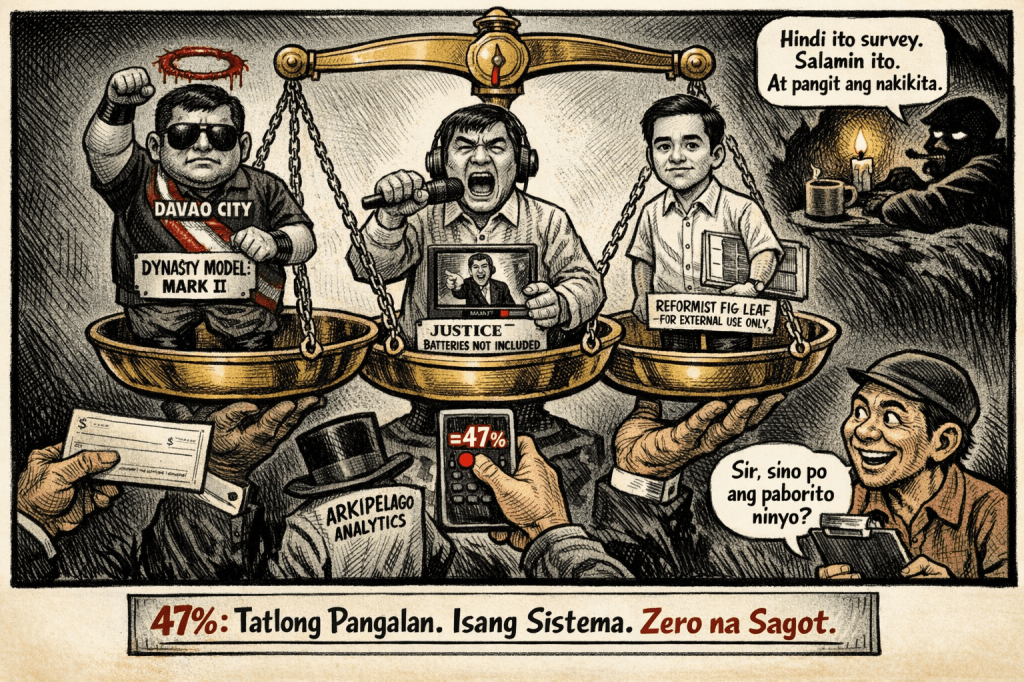
- Baste, Raffy, Vico at 47%—Philippine Democracy’s Most Honest Mirror (And It’s Ugly)

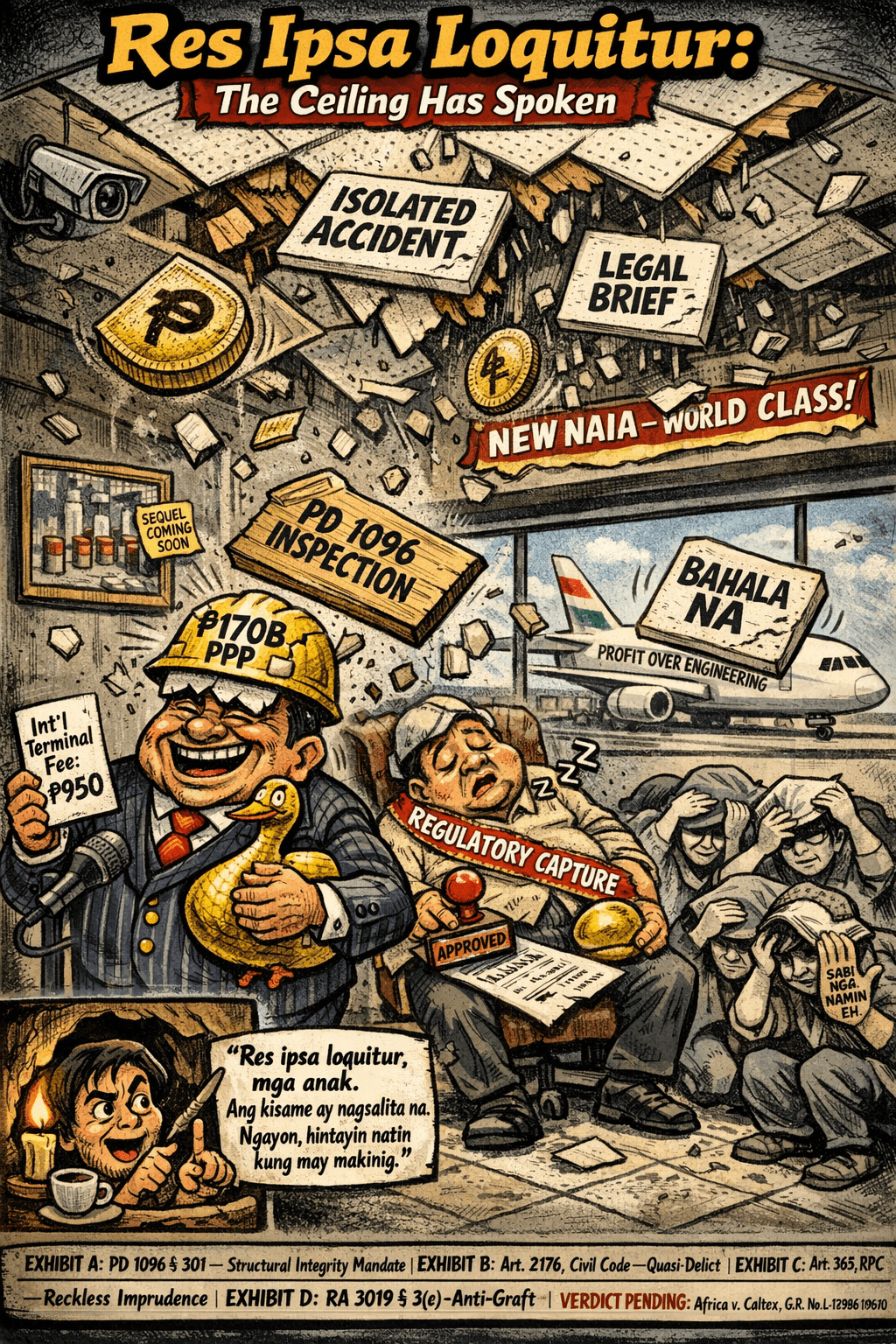
- NAIA Ceiling Collapse: Plywood Prayer or Pure Negligence?

- Suicide by Gas Deal: Carpio Slams Palace Gaslighting on China Oil Pact

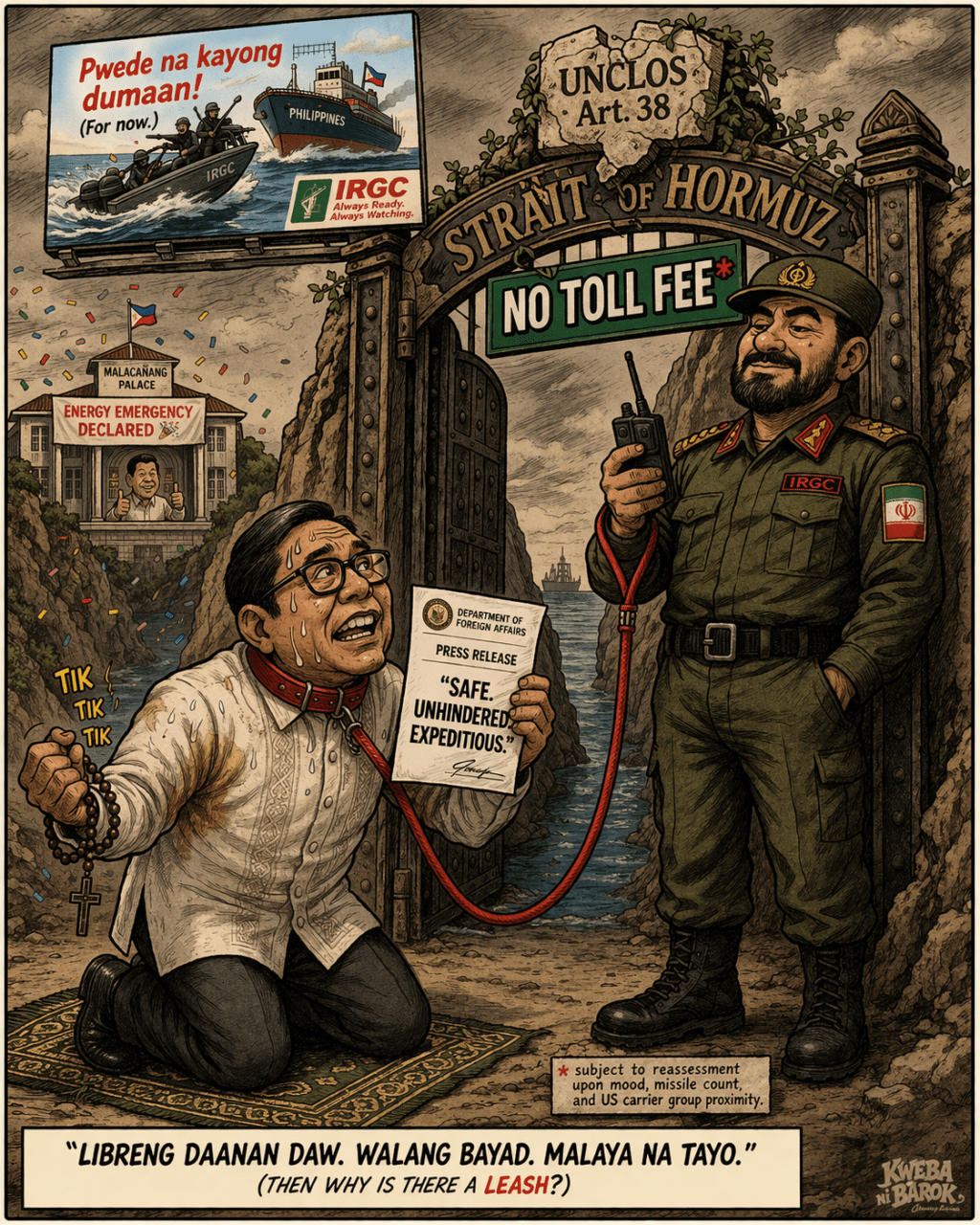
- No Toll, Just Soul: How the Philippines Groveled for Iranian “Safe Passage”
- Don Quixote of the Archipelago: Payoyo Tilts at UNCLOS Windmills

- Name Wars in the West PH Sea: Manila’s Map Trick vs. China’s Gunboat Tantrum

- Mayor Awingan’s Holy Hypocrisy: Liquor Ban or Church-State Violation?





 KWEBA ni BAROK
Leave a comment