
By Louis ‘Barok’ C. Biraogo
In the shadowy corridors of geopolitics, echoes of history reverberate ominously. Today, as China amasses vast stockpiles of resources and raw materials, eerie parallels with past conflicts stir whispers of preparation for war. The comparisons drawn between China’s current actions and Germany’s buildup before World War II are stark: stockpiling essential goods, fortifying strategic reserves, and bolstering societal readiness under the helm of President Xi Jinping.
Rationales Behind China’s War Preparations
Historical precedents abound where resource accumulation signaled impending conflict. Mike Studeman, former US naval intelligence commander, suggests that Xi Jinping’s strategic buildup is a prelude to a high-intensity showdown, possibly over Taiwan. Stockpiling minerals like aluminum, cobalt, and copper—a tactic reminiscent of Germany and Japan before World War II—underscores China’s strategic intent. The US-China Economic and Security Review Commission’s recent findings further fuel suspicions, citing indicators mirroring past wartime preparations.
Contradictions to China’s Military Buildup
Yet, skepticism persists. Critics argue that economic strategies, including resource stockpiling, often serve dual purposes beyond military aggression. China’s expansive economic footprint necessitates securing critical resources for industrial growth and global influence. Similar practices during the Cold War by the Soviet Union highlighted economic resilience rather than imminent military conflict, suggesting caution in interpreting resource accumulation solely as a precursor to war.
**Objective Assessment of Likelihood of War**
Objectively assessing the likelihood of war, while acknowledging historical parallels, demands scrutiny beyond surface comparisons. China’s economic interdependence and global standing compel pragmatic considerations. Provocative actions like stockpiling minerals can provoke misinterpretations amid heightened tensions. Strategic posturing may serve to deter aggression rather than precipitate conflict, aligning with China’s broader geopolitical ambitions and regional stability goals.
Plea for Peace and Proposed Actions
Amid escalating rhetoric and strategic maneuvers, a call for peace resonates urgently. Dialogue, transparency, and multilateral engagement remain pivotal in defusing tensions and promoting regional stability. The international community must tread cautiously, balancing vigilance with diplomatic overtures to avoid miscalculations and escalation.
In conclusion, while history offers cautionary tales, interpreting China’s resource stockpiling as a clear indicator of impending war requires nuanced analysis. Vigilance must be coupled with diplomatic initiatives aimed at fostering dialogue and mutual understanding. By prioritizing peace and cooperative engagement, the world can navigate this precarious juncture with prudence and foresight, safeguarding global stability in an era fraught with geopolitical uncertainty.

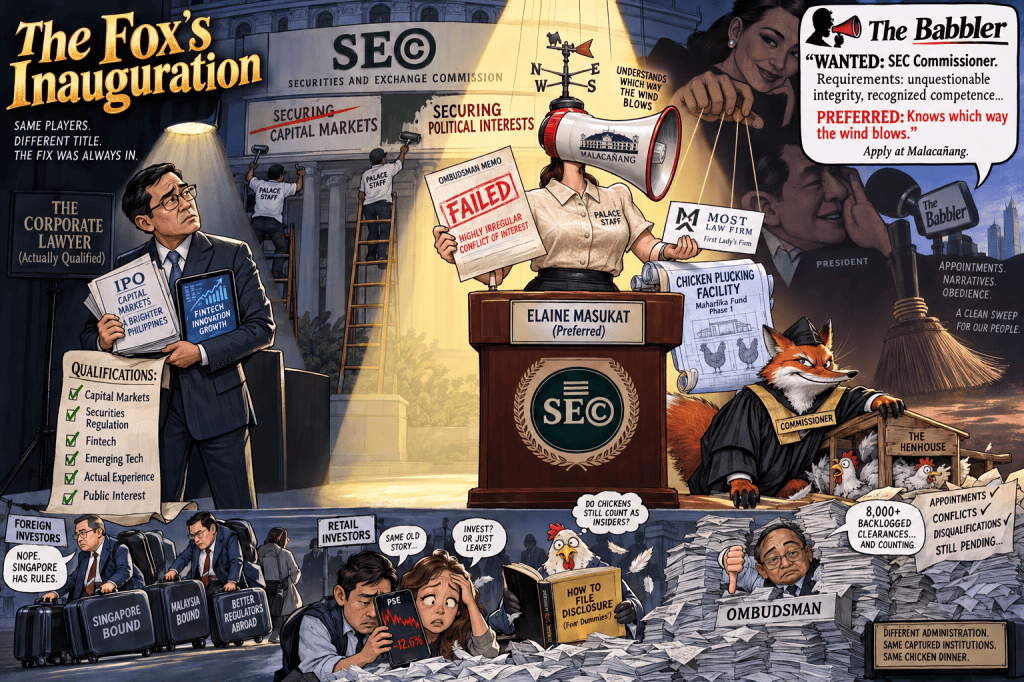
- SEC or Palace Puppet? The Masukat Appointment Nobody Asked For

- Six Minutes, Zero Questions: House Approves Its Own P27.9-Billion Budget Without Breaking a Sweat

- Supreme Court to Congress: Legislate! Congress: Best We Can Do Is a Loophole
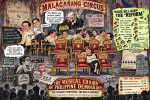
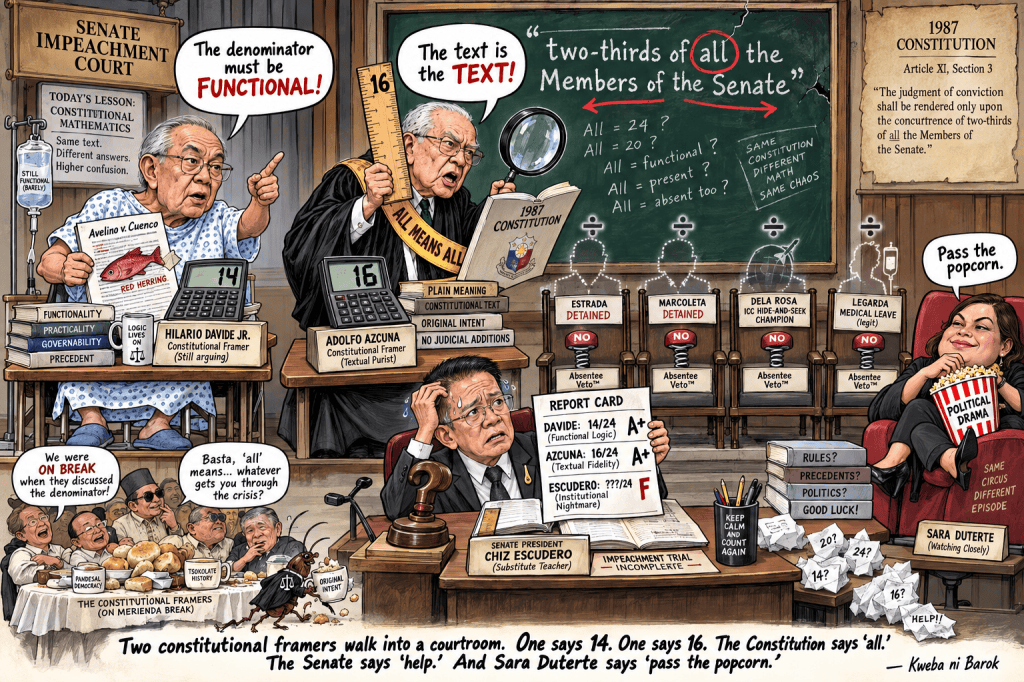
- 16 or Else: The Senate’s Constitutional Pick-Your-Own-Adventure

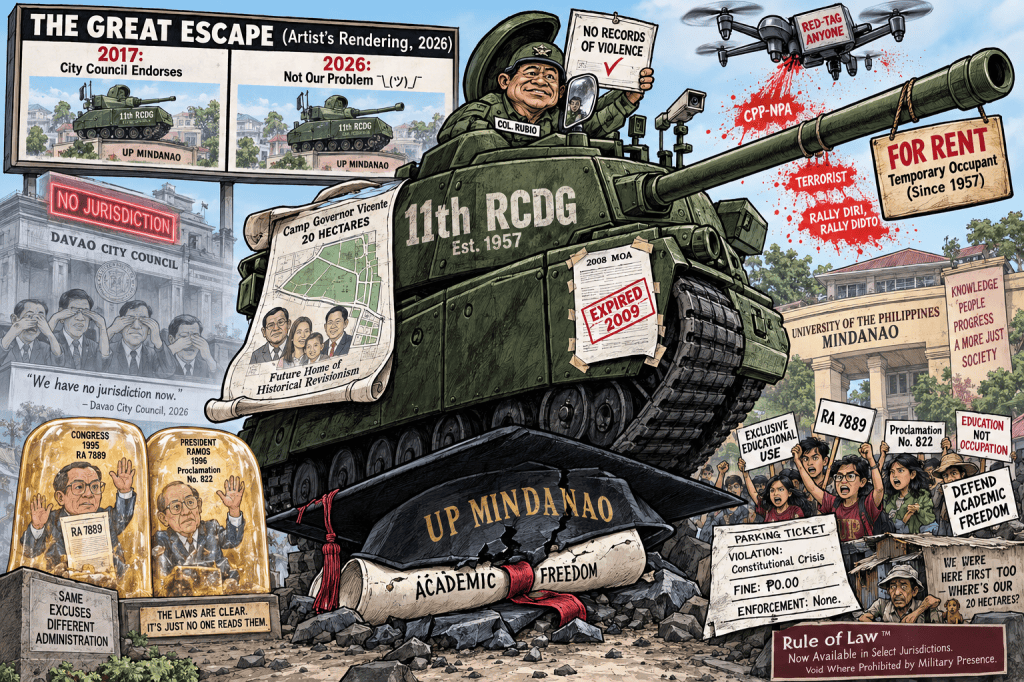
- Not It: Davao City Council Ghosts the UP Mindanao vs. Army Land War”
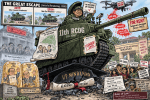
- Davide Says 14, Azcuna Says 16: When Constitutional Framers Can’t Agree on Their Own Constitution
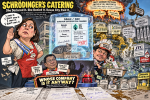
- Gencorp, Graft, and Gaslighting: The Duterte Family’s ₱15M Catering Caper
- Utang na Loob, P75 Million: Marcoleta’s Own Words Might Be His Best Evidence—For the Prosecution





 KWEBA ni BAROK
Leave a comment