By Louis ‘Barok‘ C. Biraogo
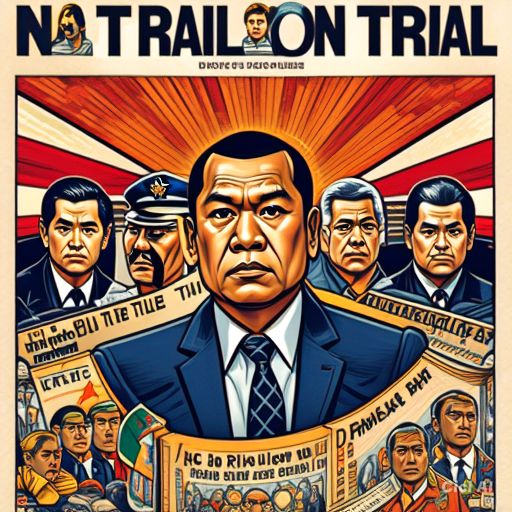
The International Criminal Court (ICC) has cast a long shadow over the Philippines’ bloody drug war, now spotlighting some of the nation’s most powerful figures. Senator Ronald “Bato” dela Rosa and four other former high-ranking officials of the Philippine National Police (PNP) find themselves accused of grave offenses, a twist that underscores the gravity of the allegations against former President Rodrigo Duterte’s regime.
Background of the ICC Case
The ICC’s involvement traces back to 2017 when former Senator Antonio Trillanes IV filed a communication with the tribunal, urging it to investigate the Duterte administration’s brutal anti-drug campaign. The document from the ICC’s Office of the Prosecutor (OTP), shared by Trillanes on social media, now names Dela Rosa, Oscar Albayalde, Romeo Caramat Jr., Eleazar Mata, and Edilberto Leonardo as suspects in the alleged crimes against humanity. This development is a significant leap from speculation to formal suspicion.
The Gravity of the Allegations
Article 54(1) of the Rome Statute mandates the OTP to investigate all facts and evidence impartially, including the perspectives of those under suspicion. The named officials, central to the execution of Duterte’s drug war, are accused of systemic abuses that could qualify as crimes within the ICC’s jurisdiction. The ICC’s decision to list these individuals underscores the severity of the accusations and the potential for international arrest warrants.
Why Trillanes’ Assertions Hold Weight
Trillanes’ persistent accusations against Duterte’s administration are rooted in a grim reality: thousands of extrajudicial killings have been reported, often targeting the marginalized. The Rome Statute, particularly Article 7, defines crimes against humanity to include widespread or systematic attacks against civilians. The documented pattern of abuses and the reported state complicity provide a plausible basis for the ICC’s interest.
ICC precedents, such as the convictions of Congolese warlord Thomas Lubanga and former Vice President of the Democratic Republic of the Congo Jean-Pierre Bemba, demonstrate the court’s capacity to act against high-ranking officials. These cases illustrate that persistent and well-documented allegations, like those brought forward by Trillanes, can lead to significant judicial outcomes.
Why Skepticism Surrounds Trillanes’ Claims
However, there are substantial hurdles to overcome. The Philippines’ withdrawal from the Rome Statute in 2019 complicates the ICC’s jurisdiction. While the court asserts it retains jurisdiction over crimes committed while the Philippines was still a member, the withdrawal reflects a broader reluctance to cooperate.
President Ferdinand Marcos Jr.’s administration has echoed Duterte’s disdain for the ICC, refusing to cooperate with investigations. This non-cooperation could stymie the ICC’s efforts, as effective prosecution often depends on access to evidence and witnesses within the country. Additionally, the political context in which Trillanes operates—marked by intense rivalry and allegations of bias—can color perceptions of his motivations.
An Objective Assessment
Despite these challenges, the ICC’s structured and thorough investigatory processes lend a degree of credibility to the proceedings. The OTP’s decision to name specific individuals suggests it has gathered substantial preliminary evidence. However, without cooperation from the Philippines, the path to accountability remains fraught with obstacles.
Recommendations
For the ICC and Trillanes, transparency and rigor in presenting evidence are paramount. Engaging international allies and leveraging diplomatic channels could help mitigate the Philippines’ non-cooperation. It is also crucial to continually update and refine the case to withstand political and legal scrutiny.
For the Philippines, addressing these allegations head-on could restore a measure of international credibility. Cooperating with the ICC, even partially, might defuse some international pressure and demonstrate a commitment to justice and the rule of law. Establishing a domestic mechanism to investigate and address the abuses could serve as a compromise, balancing sovereignty concerns with accountability.
In the unfolding drama of international justice, the stakes are high. The ICC’s pursuit of the truth amid political resistance reflects a broader struggle for human rights and accountability. As the world watches, the question remains: will justice prevail in the Philippines, or will the shadows of the past continue to obscure the path forward?

- “Forthwith” to Farce: How the Senate is Killing Impeachment—And Why Enrile’s Right (Even If You Can’t Trust Him)
- “HINDI AKO NAG-RESIGN!”

- “I’m calling you from my new Globe SIM. Send load!”

- “Mahiya Naman Kayo!” Marcos’ Anti-Corruption Vow Faces a Flood of Doubt

- “Meow, I’m calling you from my new Globe SIM!”

- “No Special Jail for Crooks!” Boying Remulla Slams VIP Perks for Flood Scammers
- “PLUNDER IS OVERRATED”? TRY AGAIN — IT’S A CALCULATED KILL SHOT

- “Several Lifetimes,” Said Fajardo — Translation: “I’m Not Spending Even One More Day on This Circus”
- “Shimenet”: The Term That Broke the Internet and the Budget

- “We Did Not Yield”: Marcos’s Stand and the Soul of Filipino Sovereignty



 KWEBA ni BAROK
Leave a reply to Louis ‘Barok’ Biraogo Cancel reply