In the hallowed halls of Philippine healthcare, a storm is brewing, a tempest of allegations and shadows lurking in the corridors of medical ethics. The Department of Health (DOH) and the Professional Regulation Commission (PRC) have joined hands, forming a formidable alliance, a Joint Committee for Investigation (JCI), to probe the sinister underbelly of pharmaceutical marketing schemes that threaten the sanctity of the healing profession.
With clinical precision, the JCI, bolstered by the DOH’s Public Health Ethics Committee and the Food and Drug Administration (FDA), sets its sights on unraveling the tangled web of deceit allegedly spun by unscrupulous actors within the pharmaceutical industry. But this is no mere task of sleuthing; it is a quest for justice, a mission to safeguard the integrity of medicine against the encroaching shadows of greed and deception.
At the heart of this saga lies Bell-Kenz Pharma Incorporated, a name that resonates with both promise and peril. In the crucible of a Senate hearing, the company found itself cast into the harsh glare of scrutiny, accused of perpetrating a nefarious multi-level marketing scheme that threatens to undermine the very fabric of medical ethics.
In a defiant stance, Bell-Kenz Pharma denied the accusations, adamantly proclaiming its innocence, yet the veneer of tradition began to crack under the weight of damning revelations. Chief Executive Officer Luis Raymond Go, the architect of Bell-Kenz’s empire, stood before the Senate, his words a tapestry of denial woven with threads of admission. While vehemently denying the existence of a pyramid scheme, Go confessed to a labyrinth of incentives lavished upon shareholder doctors, a tantalizing array of rewards designed to sway the hand that holds the prescription pad.
The Generics Act stands as a bastion of ethical practice, yet Bell-Kenz’s dealings cast a shadow upon its sacred tenets. The sanctity of the generic name, a cornerstone of pharmaceutical transparency, stands compromised amidst whispers of preferential treatment and clandestine partnerships.
As the Senate chamber echoed with the weight of accusation and rebuttal, Health Secretary Teodoro Herbosa issued a solemn vow, a promise of justice tempered by the fires of investigation. With the JCI as their sword and shield, the guardians of public health embark upon a crusade to cleanse the ranks of medicine, to purge the tainted waters of pharmaceutical malpractice.
Yet, amidst the clamor for accountability, a beacon of hope emerges. The FDA, in a resolute proclamation, beckons forth the guardians of truth, urging all pharmaceutical entities to disclose their financial entanglements, to shed light upon the mysterious depths of collusion.
But in the shadows, whispers linger, tendrils of fear snaking through the corridors of power. The DOH, ever vigilant, extends a hand to those who dare to speak truth to power, promising protection to the brave souls who dare to challenge the status quo.
In the annals of Philippine healthcare, a battle rages on, a clash of ideals and ambitions, of honor and corruption. As the JCI marches forth into the fray, one question hangs heavy in the air: will justice prevail, or will the specter of deceit cast its dark shadow upon the realm of healing?
Hello,
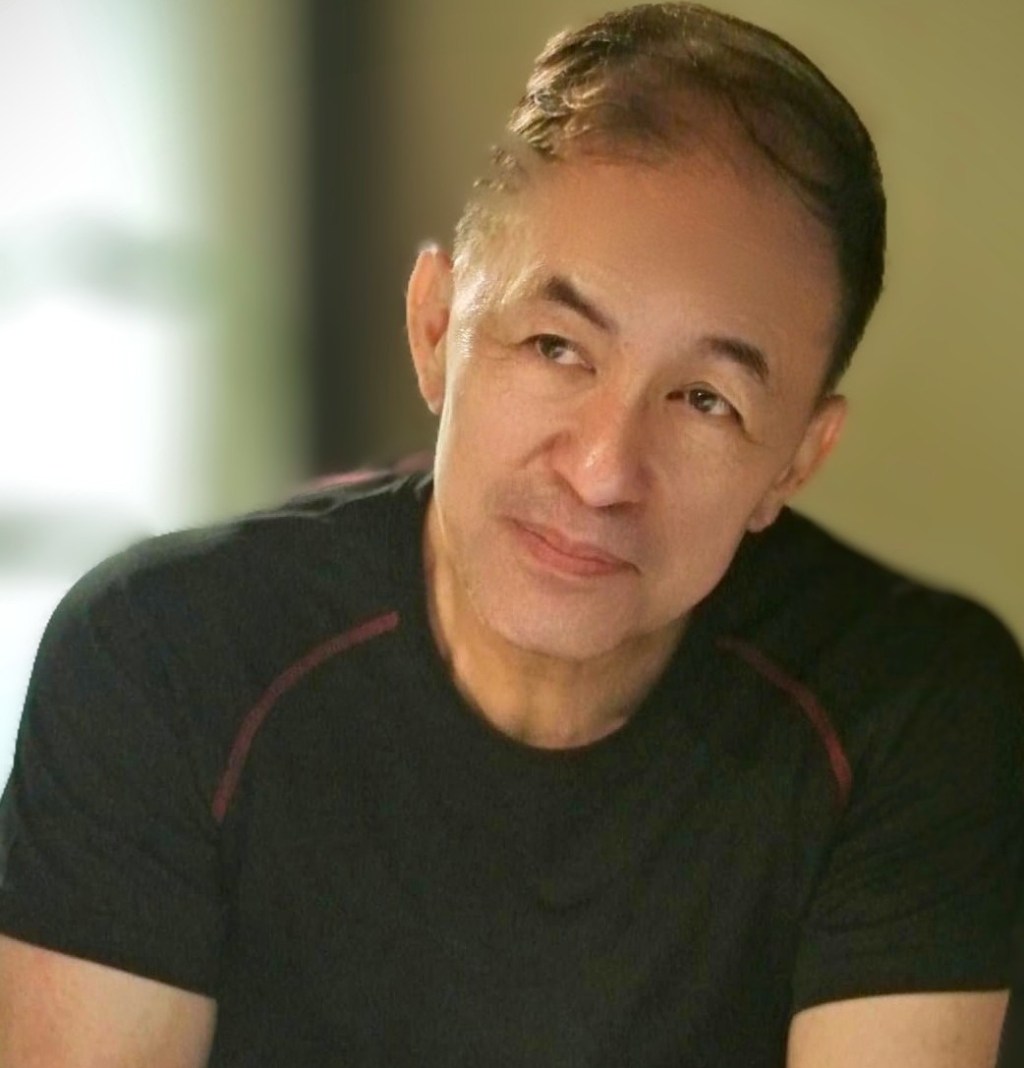
I’m Louis ‘Barok’ Biraogo

Let’s connect
Join the fun!
Stay updated with our latest tutorials and ideas by joining our newsletter.
 KWEBA ni BAROK
Leave a comment