By Louis ‘Barok‘ C. Biraogo
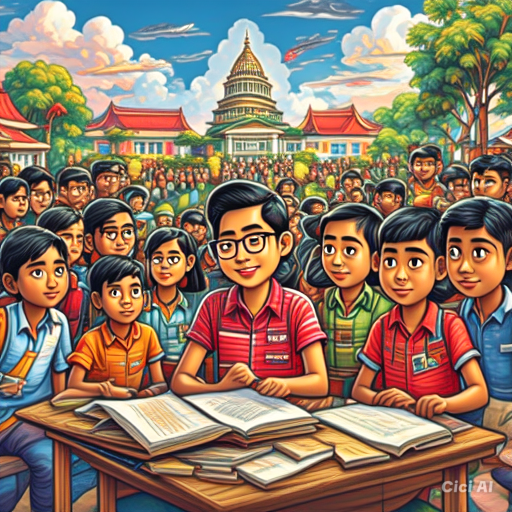
The Philippines finds itself in a disheartening position, ranking among the lowest in the world for creative thinking skills in the latest Program for International Student Assessment (PISA) benchmarking test. This alarming result places Filipino students in the bottom four out of 64 countries, underscoring a critical failure in the nation’s educational system. The implications of these findings are vast and worrisome, pointing to systemic issues that demand immediate and comprehensive reform.
A Disturbing Trend
The PISA results are more than just numbers; they are a stark reflection of the quality of education in the Philippines. Filipino 15-year-olds scored a mean of 14.2 in creative thinking, while neighboring Singapore topped the list with a mean score of 41. This vast gap is not only indicative of a deficiency in nurturing creativity but also mirrors poor performance in other critical areas. In the previous PISA assessments, the Philippines ranked near the bottom in reading comprehension, mathematics, and science. Such performance is a clear indicator that the country’s educational strategy is fundamentally flawed.
The Value of Education
Education is the cornerstone of any prosperous nation. It is through education that countries build a skilled workforce, foster innovation, and drive economic growth. Creative thinking, in particular, is essential in today’s world, where problem-solving and innovation are key to addressing global challenges. The poor performance of Filipino students in creative thinking thus spells trouble for the country’s future. Without a robust educational foundation, the Philippines risks falling further behind in an increasingly competitive global landscape.
Criticizing the Government’s Approach
The Department of Education (DepEd) must bear significant responsibility for this educational crisis. The consistent underperformance of Filipino students in international assessments reveals a lack of effective strategies and initiatives to improve learning outcomes. The failure to prioritize critical thinking and creativity in the curriculum has left students ill-equipped for the demands of the modern world.
From various perspectives, the government’s approach to education can be criticized for several reasons:
1. Lack of Investment: There has been insufficient investment in educational infrastructure, teacher training, and learning resources. Schools lack the necessary tools to foster an environment conducive to creative thinking and problem-solving.
2. Outdated Curriculum: The curriculum remains rigid and outdated, failing to incorporate modern teaching methods that encourage innovation and critical thinking.
3. Ineffective Policies: Policy measures taken by the DepEd have often been short-sighted and reactive rather than proactive. There has been a glaring absence of long-term strategies to address foundational issues in the education system.
4. Inadequate Teacher Support: Teachers are at the frontline of education, yet they receive inadequate support and training. Without well-trained and motivated teachers, any educational reform is destined to fail.
Call for Reformulation and Reorganization
1. Increase Investment: The government must significantly increase funding for education. Investments should be directed towards improving school facilities, providing modern learning materials, and ensuring that every child has access to quality education.
To address these deep-seated issues, a radical reformulation of the educational strategy is imperative. This reform should be comprehensive, addressing both systemic issues and classroom-level challenges. Here are several recommendations:
2. Modernize the Curriculum: The curriculum needs a complete overhaul to make it relevant to the 21st century. Emphasis should be placed on developing critical thinking, creativity, and problem-solving skills.
3. Empower Teachers: Teachers should be given continuous professional development opportunities. Enhancing their skills and providing them with the tools they need will directly impact student performance.
4. Implement Evidence-Based Policies: The DepEd must adopt evidence-based policies that have been proven effective in other contexts. This involves learning from best practices globally and tailoring them to the Philippine context.
5. Foster Public-Private Partnerships: Collaboration with private sectors and international organizations can bring in much-needed expertise and resources to drive educational reform.
Revamping the DepEd
The Department of Education itself requires a significant reorganization. The current structure has proven inadequate in addressing the educational needs of the nation. A new framework that prioritizes accountability, innovation, and student-centered learning is essential. Leadership within the DepEd must be willing to embrace change and drive reforms with a sense of urgency.
Conclusion
The Philippines’ dismal performance in the PISA creative thinking test is a wake-up call. It is a signal that the country’s future is at stake if immediate and comprehensive reforms are not undertaken. The government, particularly the Department of Education, must be held accountable and take decisive action to revamp the educational system. Only through a renewed focus on education can the Philippines hope to build a brighter, more prosperous future for its youth and its nation.






 KWEBA ni BAROK
Leave a comment