By Louis ‘Barok‘ C. Biraogo
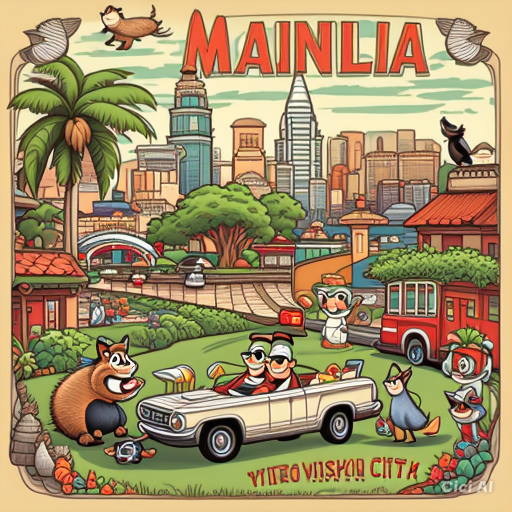
Alright, folks, buckle up, because it’s time to dive into the latest installment of “You Can’t Make This Stuff Up: Manila Edition.” Today, we’re looking at a delightful piece of news that’s funnier than a politician promising “no new taxes.” Manila has just declared that it’s doing its part to reduce risks for everyone—yes, even those elusive high-net-worth tourists who can totally distinguish Manila from their last layover in Mumbai.
According to the ever-reliable Manila Public Information Office (PIO), the city’s Disaster Risk Reduction and Management Office (DRRMO) and Police Department are “functioning as they should.” That’s like saying a toaster works perfectly fine even if it sets your bread on fire and plays rock music.
But let’s not be too hasty here. The PIO assures us that their DRRMO is “modestly robust” and capable of responding to all kinds of disasters. That’s like saying my Uncle Larry is “modestly competent” at singing opera—sure, he can hit a note, but it usually sounds like a walrus in distress. The DRRMO’s response is as predictable as a romantic comedy plot, except with more confusion and fewer happy endings.
Now, let’s get to the juicy part—the Forbes Advisor report that has Manila ranked as the fifth riskiest city in the world. This report has caused quite a stir, which is shocking because Manila is usually known for its peaceful, crime-free streets and immaculate infrastructure, right? Oh, wait, that’s Fantasyland. My bad.
In this report, Manila scored a whopping 91.49 out of 100 on the Risk-o-Meter, where 100 means you should probably just dig a bunker and call it a day. To give you a sense of scale, that’s like scoring 91.49 out of 100 in “Number of times a squirrel will steal your picnic” competition. It’s impressive in a way that makes you want to lock your doors and never leave your house.
The PIO’s statement also highlights the Manila Police District’s efforts, noting that they’re quite mindful of their mission to keep everyone safe. This is reassuring, like when your dentist says he’s “mindful” of your fear of needles right before jabbing you in the gums. The police are reminded there’s always room for improvement, and they should outpace the criminals. It’s like telling a turtle to outpace a rabbit—possible, but not without some serious magic mushrooms.
To give credit where it’s due, Manila is trying. But let’s face it, when it comes to reducing risks, Manila’s approach is like using a teaspoon to bail out the Titanic. You’ve got to admire the optimism, though. It’s the kind of optimism that makes you believe you can win an argument with your wife.
Now, on the flip side, we have the Forbes report. You know, Forbes—the magazine that ranks everything from billionaires to the best places to retire if you enjoy golf and afternoon naps. Forbes has painted a grim picture of Manila, which is kind of like saying the North Pole is chilly.
But let’s take this with a grain of salt—or in Manila’s case, a grain of rice. Forbes isn’t exactly known for its expertise in urban safety. They’re the folks who’d probably rank Gotham City as a prime vacation spot if Bruce Wayne threw a big enough party.
So, what’s the funny, illogical takeaway here? Manila says it’s doing great, Forbes says it’s a disaster zone, and in the middle, we have a city that’s trying its best, bless its heart. Maybe the solution is a reality TV show—“Manila: Survive if You Can!” Contestants will navigate the city while avoiding traffic jams, petty crimes, and random disasters. Winner gets a week-long stay in a safer city, like Kabul.
In conclusion, my recommendations are simple: For Manila, maybe consider hiring Batman. For Forbes, perhaps stick to ranking hedge fund managers. And for everyone else, if you’re planning a trip to Manila, just remember—bring a map, some snacks, and a modestly robust sense of humor.

- Andres Heralds DoJ’s Transformative Justice

- Sailing to New Horizons: PEZA Sets Ambitious PHP250-B Approval Target for 2024

- Panga’s Bold Vision: The Paradigm Shift of Iwahig Mega Economic Zone

- Panga’s Pragmatic Approach to Sino-Philippine Investments

- The Shadow Over Manila

- Shadow of the Red Notice: Remulla hunts down Teves

- Frozen Enigma: NBI Bacolod’s Tussle with Darkness

- Quiboloy’s Supreme Court Shenanigans: A Pathetic Attempt to Dodge Justice

- RP’s cunundrum: A pawn in the SCS geopolitical chessboard

- Macapagal Leads: Navigating Relocation Challenges


 KWEBA ni BAROK
Leave a comment