By Louis ‘Barok‘ C. Biraogo
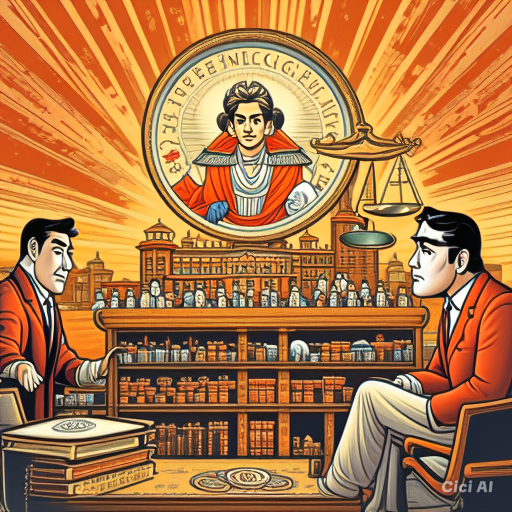
The recent decision by the Taguig Regional Trial Court (RTC) to issue a temporary restraining order (TRO) halting Meralco’s competitive selection process (CSP) for its 600-megawatt and 400-megawatt power supply requirements has spotlighted the ongoing tension between the country’s largest electricity distributor and the consortium managing the Malampaya gas field. At the heart of this dispute is the Electric Power Industry Reform Act (EPIRA), a pivotal piece of legislation designed to promote competition and ensure reliable and affordable electricity in the Philippines. This legal skirmish raises significant questions about energy security, market fairness, and regulatory compliance.
The Battleground Before the Fight
The EPIRA, enacted in 2001, aims to restructure the Philippine electric power industry to foster competition, encourage private sector participation, and ensure a stable and reasonably priced electricity supply. Meralco, as the largest electric distribution utility, plays a crucial role in implementing this law through its CSP, a mechanism intended to select power suppliers through a transparent and competitive bidding process.
Prime Energy, along with other entities in the Malampaya consortium, operates the Malampaya gas field, which supplies a substantial portion of Luzon’s electricity. The consortium’s complaint hinges on allegations that Meralco’s CSP terms are biased against suppliers using indigenous natural gas, thereby threatening national energy security and contravening both EPIRA and directives from the Department of Energy (DOE).
Prime Energy and Malampaya Consortium’s Assertions
Legal Grounds:
- EPIRA Compliance: The consortium asserts that the bidding terms violate EPIRA’s mandate to prioritize indigenous energy sources.
- DOE Directives: They argue that DOE policies expressly favor local natural gas to enhance energy security and economic stability.
Economic and Security Concerns:
- Energy Security: The reliance on imported fuels exposes the country to external shocks, undermining long-term energy stability.
- Economic Impact: A reduced demand for Malampaya gas would diminish government revenue, given the state’s 60 percent share of net proceeds from gas sales under Service Contract 38.
Environmental and Public Health:
- Clean Energy: Promoting imported coal and LNG contradicts global trends towards cleaner energy, potentially reversing environmental gains.
Expected Rebuttals by Meralco
Market Competitiveness:
- CSP Objectives: Meralco’s CSP is designed to ensure the best value for consumers by selecting the lowest-cost power suppliers, regardless of fuel source.
- Consumer Protection: Allowing a variety of bidders, including those using imported fuels, can prevent monopolistic practices and ensure competitive electricity rates.
Legal Compliance:
- EPIRA Intent: Meralco may argue that EPIRA’s primary goal is to promote competition and consumer choice, which their CSP process upholds.
- DOE Policies: The interpretation of DOE directives might be flexible, allowing for a balanced approach that considers both local and imported energy sources.
Economic and Practical Realities:
- Supply Diversity: Diversifying the energy mix, including imported fuels, can safeguard against potential disruptions in local gas supply.
- Fixed Costs: Bidders using indigenous gas might not always offer the most cost-effective solutions due to higher fixed costs and limited supply.
Assessment and Barok’s Verdict
The balance of arguments presents a complex interplay of legal, economic, and environmental factors. On the one hand, the consortium’s emphasis on national energy security, compliance with EPIRA, and environmental sustainability presents a compelling case. On the other hand, Meralco’s focus on competitive pricing, consumer protection, and market diversification holds substantial merit.
Advantage: The advantage arguably leans towards the consortium, given the strong legal foundations in EPIRA and DOE directives favoring indigenous energy sources, coupled with significant concerns about national energy security and environmental impact.
Recommendations
For Prime Energy and the Malampaya Consortium:
- Engage in Dialogue: Initiate constructive dialogue with Meralco and regulatory bodies to align CSP terms with national energy policies.
- Propose Alternative Solutions: Offer competitive pricing models and demonstrate the long-term benefits of using local natural gas.
For Meralco:
- Review CSP Terms: Reassess the bidding criteria to ensure compliance with EPIRA and DOE policies, potentially incorporating preferences for local gas suppliers.
- Enhance Transparency: Increase transparency in the CSP process to address concerns and build trust with stakeholders.
Conclusion
The TRO issued by the Taguig RTC underscores the critical importance of balancing regulatory compliance, market competitiveness, and national energy security. Both Meralco and the Malampaya consortium must navigate these challenges thoughtfully, ensuring that the long-term interests of the Philippine energy sector and its consumers are safeguarded.

- Andres Heralds DoJ’s Transformative Justice

- Sailing to New Horizons: PEZA Sets Ambitious PHP250-B Approval Target for 2024

- Panga’s Bold Vision: The Paradigm Shift of Iwahig Mega Economic Zone

- Panga’s Pragmatic Approach to Sino-Philippine Investments

- The Shadow Over Manila

- Shadow of the Red Notice: Remulla hunts down Teves

- Frozen Enigma: NBI Bacolod’s Tussle with Darkness

- Quiboloy’s Supreme Court Shenanigans: A Pathetic Attempt to Dodge Justice

- RP’s cunundrum: A pawn in the SCS geopolitical chessboard

- Macapagal Leads: Navigating Relocation Challenges



 KWEBA ni BAROK
Leave a comment