By Louis ‘Barok‘ C. Biraogo — March 3, 2025
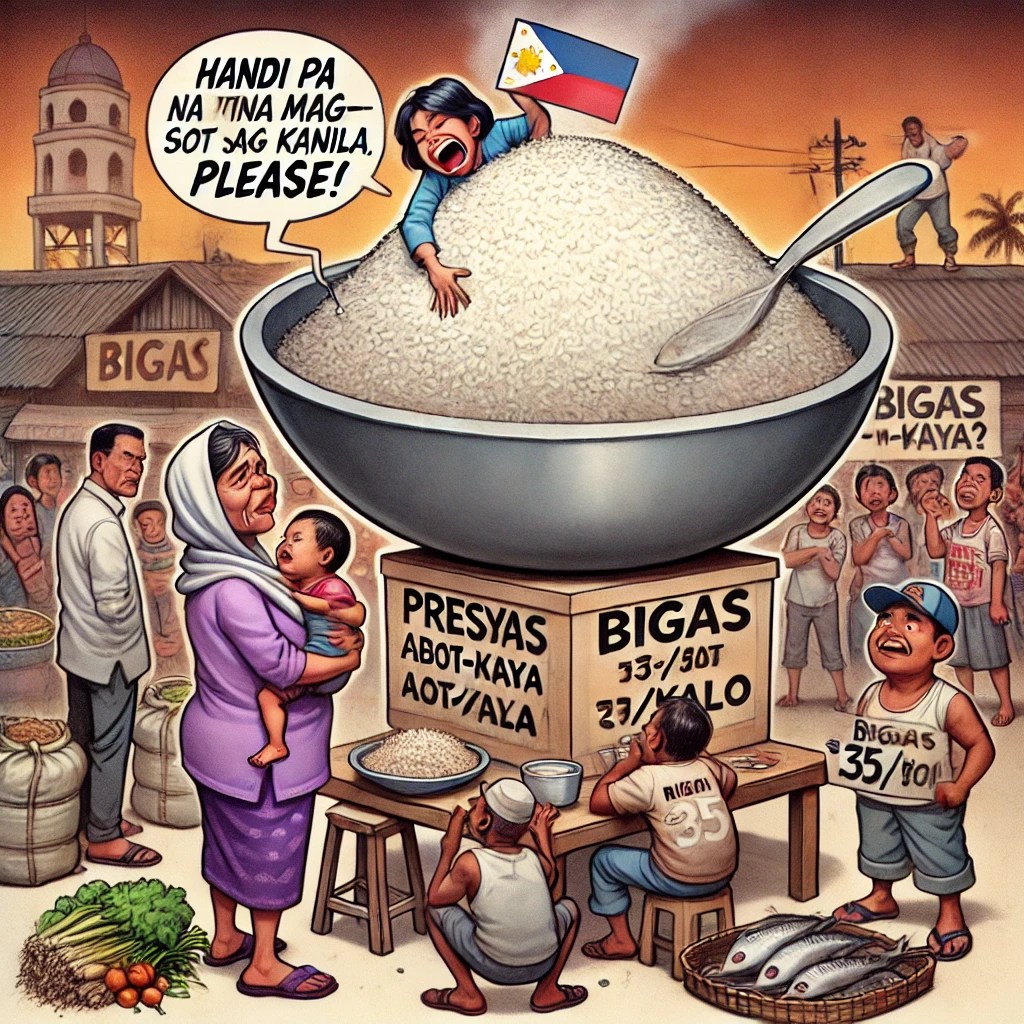
NINETY PERCENT of Filipino voters have reached a surprising consensus about the 2025 mid-term elections—and it has nothing to do with corruption, constitutional reform, or political dynasties. From bustling Manila to rural Nueva Ecija, an unprecedented supermajority of citizens will support candidates focused on a single issue: putting affordable food on the table. February’s SWS survey reveals this silent revolution in voter priorities, one painfully familiar to Quezon City resident Maria Santos. As she stretches her budget to feed three children while rice prices climb beyond reach, her daily struggle has transformed from personal hardship into the defining political battleground of the upcoming elections.
Data-Driven Analysis of Voter Priorities
The SWS survey, commissioned by the Stratbase Group, offers a clear window into the Filipino electorate’s mind. Conducted with 1,800 respondents nationwide and a ±2% margin of error, it reaffirms trends from a January poll: 94% then prioritized agriculture and food security, a figure that dipped slightly to 90% in February but remains dominant. Alongside this, 81% of voters—down from 85% in January—cite reducing the prices of basic goods and services as a key voting driver. These aren’t abstract concerns; they reflect a lived reality where food inflation hit 4% in January 2025, with rice (59% of respondents in January) and meat (25%) identified as the biggest culprits in price hikes.
Compare this to other issues: healthcare (90% support), job creation (89%), and education (89%) rank high, but agriculture and food security stand out for their near-universal resonance. National security in the West Philippine Sea (77%) and climate change (79%) matter, yet they trail the visceral, kitchen-table issues of food and affordability. This isn’t surprising in a country where the poorest 30% of households saw vegetable and meat prices spike even as overall inflation held at 2.9% in January. For voters, the ballot is less about geopolitics and more about putting dinner on the table.
Agricultural and Economic Policy Areas That Resonate
The data points to two interlocking priorities: boosting agricultural productivity and stabilizing food prices. Filipinos want candidates who can make farming viable again—think subsidies for seeds and fertilizers, irrigation upgrades, and protection from typhoon-driven losses. The government’s February 2025 “food security emergency” declaration, prompted by high rice prices despite global declines, underscores the stakes. Voters also crave relief from inflation’s bite: 81% prioritize price controls on essentials like rice, fish, and meat, a demand rooted in the 5.8% food inflation rate that has outpaced wage growth for many.
These aren’t just policy wonks’ concerns—they’re human stories. Take Juan dela Cruz, a farmer in Isabela whose yields shrank after last year’s storms, leaving him unable to compete with imported rice. Or consider Ana Mercado, a vendor in Davao, who watches customers haggle over smaller portions as pork prices climb. These voters want policies that bridge the gap between farm and market, ensuring food is both grown and affordable.
Actionable Campaign Messaging Strategies
To connect with this electorate, candidates need messaging that’s sharp, relatable, and rooted in their daily grind. Here’s how, with English messages paired with catchy Tagalog equivalents:
- “Food on Every Table”
- English: Frame agriculture as a family issue. “I’ll fight for farmers so your kids don’t go hungry” hits harder than vague promises. Highlight rice affordability—59% of voters flagged it as their top inflation worry—and pledge to slash prices through local production, not just imports.
- Tagalog: “Pagkain sa Bawat Hapag-kainan”
- Punchline: “Lalaban ako para sa magsasaka, para busog ang mga anak mo!” (“I’ll fight for farmers so your kids are full!”)
- Why it works: It’s personal, tying farming to family meals, with “busog” evoking a satisfied, happy child—a universal Filipino goal.
- “Grow Here, Buy Here”
- English: Tap into national pride and economic logic. “Why import when we can grow?” resonates with voters tired of foreign reliance. Pair it with a narrative: “My plan puts money back in Juan’s pocket and rice on Ana’s table—locally grown, locally sold.”
- Tagalog: “Taním Dito, Bilí Dito”
- Punchline: “Bakit bibili sa labas kung kaya natin dito? Pera kay Juan, bigas kay Ana!” (“Why buy from abroad when we can do it here? Money for Juan, rice for Ana!”)
- Why it works: It’s patriotic and practical, with a rhythmic flow that sticks in the mind.
- “Prices You Can Live With”
- English: Address the 81% who want cheaper goods head-on. “I’ll cap rice at a price you can afford—no more choosing between food and school fees” offers a tangible promise. Back it with a story: “Maria shouldn’t have to skip meals to feed her kids.”
- Tagalog: “Presyong Abot-kaya, Buhay Na Masaya!”
- Punchline: “Babasagin ko ang presyo ng bigas—hindi na pipiliin ni Maria kung pagkain o tuition!” (“I’ll break rice prices down—no more choosing between food or tuition for Maria
- Why it works: “Presyong Abot-kaya” implies survival and dignity, while the action verb “babasagin” (to break) adds grit and resolve.
Why These Work
These Tagalog slogans are short, punchy, and emotionally charged—perfect for rallies, radio jingles, and social media like Facebook or TikTok, where most Filipinos scroll. They avoid policy-speak, instead leaning on vivid imagery (full kids, local pride, breaking prices) that mirrors how voters talk at the palengke or sari-sari store. Candidates should repeat them relentlessly across platforms—town halls, FB Live, even jeepney banners—pairing them with the English versions for broader reach. In a nation where 80% still tune into AM radio and 70% are active online, this dual-language blitz ensures no voter misses the message.
Strategic Framework for Senatorial Candidates
To position themselves as agriculture’s champions, candidates need a three-pronged approach:
- Credibility Through Action
Visit farms, not just podiums. Hold listening sessions with cooperatives in Luzon and Mindanao, then weave their stories—say, a farmer’s plea for better irrigation—into stump speeches. Back it with a track record: if they’ve pushed agricultural bills before, flaunt it. - Coalition Building
Partner with local leaders and agri-experts to craft region-specific plans—flood-resistant crops in Bicol, fishing support in Visayas. This shows voters a candidate who gets their backyard, not just Manila’s headlines. - Visibility on Solutions
Flood TikTok and Facebook with short, punchy videos: “Here’s how I’ll cut rice prices in 100 days.” Pair it with infographics—90% of voters back this, here’s my fix. In a social media-savvy nation, this beats longwinded manifestos.
Specific Policy Proposals
The 90% demand action, not platitudes. Here are five proposals to win them over:
- Rice Price Stabilization Fund
Allocate ₱50 billion to subsidize rice farmers and cap retail prices at ₱35 per kilo. Tie it to a narrative: “No family should pay more than they can bear for a sack of rice.” - Farmer Tech Grants
Offer ₱10,000 grants per farmer for climate-smart tools—drought-resistant seeds, solar-powered pumps. “Juan’s farm survives the storm, so your market stays full.” - Agri-Coop Revival Program
Invest ₱20 billion to modernize cooperatives, linking them directly to urban markets. “Ana sells fish fresh from the boat, not a middleman’s truck.” - Food Inflation Task Force
Create a Senate-led body to monitor prices and crack down on profiteering. “When meat costs too much, I’ll find out why—and fix it.” - Rural Infrastructure Boost
Push ₱100 billion for irrigation and farm-to-market roads. “Floods won’t stop Juan’s harvest from reaching Maria’s table.”
These aren’t cheap fixes, but they’re targeted—addressing production, distribution, and affordability in ways voters can see and feel. Fund them by reallocating import-heavy budgets; the 90% want homegrown solutions.
Final Thoughts
When Maria counts loose change for tomorrow’s rice, when Juan skips meals to feed his children, when Ana substitutes nutrition for mere fullness—they aren’t just surviving economic hardship; they’re casting silent votes months before entering any polling station. The 90% supermajority revealed by SWS doesn’t represent a voting bloc—it represents a mandate. In 2025, successful candidates won’t merely promise food security; they’ll be held accountable for every peso added to market prices, every agricultural policy implemented or neglected. The path to the Senate now runs directly through the nation’s kitchens and markets. For candidates willing to walk this path with authentic solutions rather than hollow rhetoric, the reward isn’t just electoral victory—it’s the profound opportunity to transform statistics back into what they truly are: families who deserve to eat without fear of tomorrow.

- ₱9 Billion in ‘Savings’? DILG’s Fire Truck Deal Smells Like Smoke
- ₱8B BBM Pork: CCTV for Every Captain’s Kumpare?
- ₱8.9 Billion, 331 Ghost Police Stations: The TIKAS Scandal Explained

- ₱8.4 Billion, 42,000 Barangays, 1 Election: The “Bawat Barangay Makikinabang” Vote-Buying Masterclass
- ₱75 Million Heist: Cops Gone Full Bandit

- ₱6.77B Ghost Haunts Duterte: RTC Dismisses Mans Carpio’s Desperate Plea

- ₱6.77 Billion and Zero Cash: The Sara Duterte SALN Math That Doesn’t Add Up

- ₱6.7-Trillion Temptation: The Great Pork Zombie Revival and the “Collegial” Vote-Buying Circus

- ₱58.53B, Zero Receipts: The LGSF Pork Barrel Nobody Wants to Name
- ₱53 Million Man Tells ₱695-a-Day Workers to Stop Being ‘Mayabang’: The Audacity of BSP’s Remolona

- ₱4.4 Billion and a Witness Who Can’t Explain It: The Duterte Impeachment’s Most Expensive Non-Answer
- ₱3.06 Billion for Evacuation Centers—But Nobody Knows Where They’ll Stand (Or If They’ll Exist)






Leave a Reply