By Louis ‘Barok‘ C. Biraogo
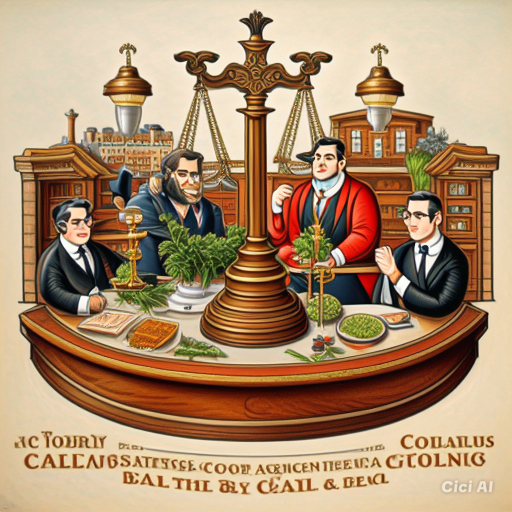
In a recent class action lawsuit filed in the U.S. District Court for the Northern District of California, McCormick & Company Inc. faces serious allegations regarding the safety of its herbs and spices. Plaintiffs Kelly Balistreri and Tony Michel accuse McCormick of selling products containing significant levels of toxic heavy metals, such as lead, arsenic, and cadmium, without warning consumers. The lawsuit has drawn significant attention, prompting a closer examination of both the legal arguments and the broader implications for consumer safety and corporate responsibility.
McCormick: A Closer Look
McCormick & Company Inc. is a global leader in the production and distribution of spices, seasoning mixes, and condiments. Founded in 1889, the company has grown to become a household name, known for its wide range of products that enhance the flavor of foods worldwide. McCormick’s presence in the Philippines, like in many other countries, is well-established, with its products widely available in supermarkets and used by both home cooks and professional chefs.
Details of the Case Against McCormick
Plaintiffs: Kelly Balistreri and Tony Michel
Defendant: McCormick & Company Inc.
Court: U.S. District Court for the Northern District of California
Case Number: 5:22-cv-00349
Filed: January 18, 2022
The plaintiffs allege that McCormick’s products, including Culinary Ground Basil, Ground Ginger, Ground Oregano, Paprika, Ground Thyme, and Ground Turmeric, contain unsafe levels of toxic heavy metals. These allegations are supported by a November 2021 Consumer Reports study, which found elevated levels of heavy metals in several brands of herbs and spices, including those from McCormick.
The Case Against McCormick
1. Failure to Warn:
- Argument: McCormick allegedly failed to inform consumers about the presence of toxic heavy metals in its products.
- Law: The Federal Food, Drug, and Cosmetic Act (FDCA) requires that food products be safe for consumption and properly labeled to inform consumers of potential health risks.
- Precedent: In Tobacco II Cases (2009), the California Supreme Court emphasized the importance of accurate consumer information and the liability of companies for failing to disclose known risks.
2. Misrepresentation:
- Argument: McCormick’s slogan, “The taste you trust,” is misleading if its products contain harmful substances.
- Law: The Lanham Act prohibits false or misleading representations about products.
- Precedent: In Kasky v. Nike, Inc. (2002), the U.S. Supreme Court highlighted the liability of companies for making misleading statements about their products.
3. Unfair Business Practices:
- Argument: McCormick engaged in unfair business practices by selling potentially harmful products without proper testing or remediation.
- Law: California’s Unfair Competition Law (UCL) prohibits business practices that are deceptive, fraudulent, or unfair.
- Precedent: In Kwikset Corp. v. Superior Court (2011), the California Supreme Court ruled that misleading product information constitutes an unfair business practice under the UCL.
Rebuttal: The McCormick Perspective
1. Generalized Claims:
- Argument: McCormick might argue that their slogan “The taste you trust” is non-actionable puffery and not a factual statement.
- Precedent: In Cook, Perkiss, and Liehe, Inc. v. N. Cal. Collection Serv. Inc. (1990), the Ninth Circuit held that general promotional statements are considered puffery and not actionable.
2. Lack of Specific Evidence:
- Argument: McCormick may contend that the plaintiffs have not provided sufficient evidence to prove that the levels of heavy metals in their products are unsafe.
- Precedent: In Bates v. Dow Agrosciences LLC (2005), the U.S. Supreme Court emphasized the necessity of concrete evidence to support claims of product liability.
3. Compliance with Regulations:
- Argument: McCormick could argue that their products comply with existing federal regulations regarding permissible levels of heavy metals in food products.
- Law: The FDA sets limits on contaminants in food, and compliance with these standards is a key defense.
Evaluating the Case
The case against McCormick, while challenging, holds strong potential for the plaintiffs. The burden of proof lies in demonstrating that McCormick’s products contain harmful levels of heavy metals and that the company’s failure to disclose this information constitutes a breach of legal and ethical standards. The Consumer Reports study provides compelling evidence, and the plaintiffs must present detailed data to support their claims and counter McCormick’s anticipated defenses regarding generalized statements and regulatory compliance. This case underscores the importance of corporate accountability and consumer protection.
The Philippine Scenario: A Deep Dive
If Filipino consumers were to lodge a similar suit against McCormick in Philippine courts, the following legal arguments and precedents could be considered:
1. Consumer Protection Act (Republic Act No. 7394):
- Provision: This law mandates that consumers be protected against hazards to health and safety and be provided with accurate information to make informed choices.
- Precedent: In Philippine Association of Service Exporters, Inc. v. Drilon (1988), the Supreme Court emphasized the state’s duty to protect consumers against deceptive, unfair, and unconscionable sales acts and practices.
2. Food Safety Act of 2013 (Republic Act No. 10611):
- Provision: This law ensures the safety of the food supply in the Philippines, including setting standards for food safety and hygiene.
- Precedent: In Department of Health v. De Asis (2016), the Supreme Court upheld the importance of food safety standards in protecting public health.
3. Civil Code of the Philippines (Articles 19, 20, and 21):
- Provision: These articles provide for damages in cases where a party causes harm to another through willful or negligent acts.
- Precedent: In Yu v. CA (2000), the Supreme Court affirmed the right to seek damages for harm caused by negligence or malfeasance.
Recommendations for Filipino Complainants
- Seek Legal Representation: Engage experienced consumer rights lawyers to evaluate the viability of a lawsuit and navigate the complexities of Philippine law.
- Gather Evidence: Collect detailed evidence, including independent laboratory tests of McCormick products sold in the Philippines, to substantiate claims of unsafe heavy metal levels.
- Raise Public Awareness: Utilize media and social platforms to inform the public about potential health risks and garner support for regulatory scrutiny of McCormick products.
Conclusion: Call for Prosecution for Justice
The allegations against McCormick highlight the critical need for rigorous food safety standards and corporate transparency. While the initial lawsuit in the U.S. was dismissed, the court did not bar the plaintiffs from filing an amended complaint with more specific factual allegations to address the deficiencies identified in the initial suit, emphasizing the importance of holding companies accountable for consumer safety. Filipino consumers should be vigilant and proactive in seeking justice and ensuring that products in the market meet stringent safety standards. By pursuing legal action and advocating for stronger regulatory oversight, consumers can help drive meaningful change and protect public health.

- “Ang Hirap Maging Mahirap”: The PAO Scandal That Proves Government Contempt Is Nothing New

- “Far-Off” My Axx: Malacañang’s Claire Castro Drowns in Her Own Legal Gaslighting
- “Forthwith” to Farce: How the Senate is Killing Impeachment—And Why Enrile’s Right (Even If You Can’t Trust Him)

- “HINDI AKO NAG-RESIGN!”

- “I’m calling you from my new Globe SIM. Send load!”

- “Mahiya Naman Kayo!” Marcos’ Anti-Corruption Vow Faces a Flood of Doubt

- “Manageable” Debt, Unmanageable Lies: DBM’s ₱21 Trillion Fairy Tale
- “Meow, I’m calling you from my new Globe SIM!”

- “Natrabaho”: One Word, One Ombudsman, and a Judiciary on Trial

- “No Special Jail for Crooks!” Boying Remulla Slams VIP Perks for Flood Scammers





 KWEBA ni BAROK
Leave a comment