
Chasing Duterte’s Enforcers: How Dela Rosa and Aguirre Fuel the ICC’s Bloody Battle
By Louis ‘Barok‘ C. Biraogo — September 26, 2025
GET ready, ka-kweba, for a courtroom saga so wild it makes John Wick seem like a barangay tanod’s patrol. The International Criminal Court (ICC) has unleashed a 78-page Pre-Confirmation Brief, a redacted bombshell dripping with accusations of murder as a crime against humanity against former President Rodrigo Duterte, his loyal enforcer Ronald “Bato” Dela Rosa, and the slippery Vitaliano Aguirre. This isn’t just a courtroom drama; it’s a high-stakes clash where the ICC’s credibility hangs by a thread, and the Philippines waves its sovereignty flag like a matador taunting a bull. Let’s tear into this legal telenovela with the cynicism and wit you’ve come to expect from Kweba ni Barok.
Act I: The Rogues’ Gallery—Meet the Players
Imagine a Manila stage awash in blood and bravado, where our cast struts under the ICC’s unforgiving spotlight. Rodrigo Duterte, the Punisher-in-Chief, swaggered into the presidency boasting of “1,700” kills like a warlord tallying scalps. He’s the mastermind, allegedly directing a nationwide Davao Death Squad (DDS) sequel dubbed Operation Plan (Oplan) Double Barrel. Next, Ronald “Bato” Dela Rosa, the Loyal Lieutenant and former Philippine National Police (PNP) chief, turned Duterte’s campaign promises into a police playbook, spitting lines like “Produce blood. Instill fear.” Is he a faithful soldier or a co-director with his own bloody vision? Then there’s Vitaliano Aguirre, the Legal Enabler, Duterte’s first Department of Justice (DOJ) Secretary, allegedly cheering with “we will choose to kill these drug lords.” Or so the ICC claims, while Aguirre shrieks “Lies!” louder than a Divisoria hawker. These three aren’t just characters; they’re the alleged architects of a killing machine now facing the ICC’s gavel.
Act II: Smoking Guns or Redacted Phantoms?
The ICC’s evidence is a cocktail of dynamite and fog. The smoking guns? Duterte’s own lips, spewing admissions of killings like a villain twirling his mustache. Dela Rosa’s “Produce blood. Instill fear” and “Killings in the name of drugs” quotes are practically gift-wrapped for prosecutors proving intent under Article 7 of the Rome Statute. Then there’s Command Memorandum Circular (CMC) No. 16-2016, the PNP’s blueprint for Oplan Double Barrel, a bureaucratic smoking gun for a systematic attack on civilians. The scale—thousands of “nanlaban” (fought back) killings with eerily consistent scripts—screams pattern evidence, a prosecutor’s jackpot for widespread or systematic carnage.
But here’s the rub: the brief is so redacted it’s like a legal document with smallpox scars. Entire sections are blacked out, witnesses are nameless, and key evidence lurks like ghosts in the margins. What’s hidden? Whistleblower identities? Autopsy reports? Or just the ICC playing hide-and-seek to dodge leaks? These redactions invite defense attorneys to howl “Show us the evidence!” Without clear links tying policy to specific murders, the case risks collapsing like a lechon at a bad fiesta. And Aguirre’s quote? He’s denying it like a politician caught in a scandal, demanding a recording (GMA News, 23 Sept. 2025). If it’s uncorroborated hearsay, it’s as flimsy as a wet tissue.
Act III: The Legal Bloodbath—Chess Moves and Charges
The ICC’s playing a brutal game of legal chess, charging murder as a crime against humanity under Article 7(1)(a). Why not plain murder? Because Article 7 demands a widespread or systematic attack on civilians, driven by a state policy. The ICC alleges Duterte’s drug war wasn’t random violence but a state-orchestrated slaughter, with Oplan Double Barrel as the policy’s bloody script. Think Prosecutor v. Katanga, where contributions to a coordinated militia attack on civilians led to convictions for crimes against humanity as an accessory. The stakes? Proving a drug war crossed into atrocity territory.
The ICC’s strategy hinges on co-perpetration under Article 25(3)(a), framing Dela Rosa not as a grunt but a co-architect alongside Duterte. Why? Because Bato didn’t just salute; he issued CMC 16-2016 the day he took the PNP helm, scaling the Davao model nationwide like a franchise of death (GMA News, 23 Sept. 2025). The ICC’s leaning on Lubanga’s “control over the crime” doctrine, arguing Dela Rosa had joint control over police operations that turned “tokhang” into a killing spree. Aguirre’s role is shakier—maybe aiding and abetting under Article 25(3)(c) by providing legal cover, or failing to investigate under Article 28. But co-perpetrator? That’s a long shot unless the ICC’s got more than a dubious quote.
The defense will counter like seasoned street fighters. Duterte will claim his “kill” talk was rhetorical hyperbole, not orders for murder. Dela Rosa will argue “neutralize” meant arrests, blaming rogue cops for any bloodshed. Aguirre’s already yelling “I never said that!” (GMA News, 23 Sept. 2025), and all three will hide behind sovereignty, claiming the ICC’s a foreign bully. But the ICC doesn’t care about Manila’s 2019 withdrawal—crimes from 2011 to 2019 are fair game under Article 127. Still, these defenses exploit gaps in causation and intent, and the ICC must prove beyond reasonable doubt that this trio orchestrated a civilian massacre, not just a tough-on-crime campaign.
Act IV: The Knife’s Edge—Case Strengths and Fatal Flaws
The ICC’s case is a fortress with cracked walls. Strengths? The CMC 16-2016 is a prosecutorial diamond, tying Duterte’s rhetoric to police action (GMA News, 23 Sept. 2025). Quotes like “Produce blood” and “I’ll crush you” are gold for proving mens rea. The scale—thousands of killings, with “nanlaban” as a scripted cover—screams systematic attack, backed by NGO reports and victim testimonies. Ntaganda shows the ICC can convict on such patterns, even with messy evidence.
But the fatal flaws? The causation gap is a chasm—linking a memo to specific murders is like pinning a murder on a chef when the kitchen’s chaos. Witnesses? Many are dead, scared, or discredited in a polarized Philippines. The redacted brief hides the ICC’s aces, but if it’s leaning on media quotes or anonymous tips, the defense will shred them for hearsay. And state non-cooperation? Manila’s not coughing up police logs or extraditing anyone soon. Duterte’s in custody, but snagging Dela Rosa or Aguirre for The Hague? That’s like catching smoke with a net.
Act V: The Global Fallout—Precedent and Power Plays
If the ICC nails this, it’s a seismic shift. Convicting a president, a police chief, and a justice secretary for a drug war sets a precedent: police and civilian leaders can’t hide behind “law enforcement” when their policies “produce blood.” Lubanga and Ntaganda laid the groundwork for hierarchical crimes; this could lock in the ICC’s bite for policing contexts. Victims might see reparations, and the Philippines could face a truth commission (Al Jazeera).
But if it crashes? The ICC’s credibility burns like a Quiapo market stall. Acquittals or a stalled case would fuel critics calling the Court a Western puppet, and Manila’s nationalists would dance on its grave (Al Jazeera). The Philippines’ withdrawal already cripples enforcement—failure here could render the ICC a toothless tiger for non-cooperating states.
Act VI: The Final Verdict—Justice or a Fool’s Errand?
So, is this a noble quest for justice or a quixotic crusade against impunity? The ICC’s brief is a daring opening shot, but it’s playing chess with half the board obscured. Duterte’s in the dock, but Dela Rosa’s a senator, and Aguirre’s denying everything louder than a karaoke belter. The evidence—CMC 16-2016, bloodthirsty quotes, and a trail of corpses—is potent, but redactions and causation gaps are the defense’s lifelines. This isn’t just about three men; it’s about whether the ICC can tame a state’s killing machine when that state flips the bird. My verdict? The ICC’s swinging for the fences, but it’s like bringing a gavel to a gunfight. The blood’s on the streets, but proving who pulled the trigger? That’s the real cliffhanger. Stay tuned, mga ka-kweba—this drama’s just heating up.
Key Citations:
- International Criminal Court. Elements of Crimes. ICC, 2011.
- International Criminal Court. Rome Statute of the International Criminal Court. ICC, 17 July 1998.
- International Criminal Court. Situation in the Democratic Republic of the Congo in the Case of the Prosecutor v. Bosco Ntaganda. ICC.
- International Criminal Court. Situation in the Democratic Republic of the Congo in the Case of the Prosecutor v. Thomas Lubanga Dyilo. ICC.
- Casilao, Joahna Lei. “‘Dela Rosa,’ ‘Aguirre’ Named in Redacted Briefer on ICC Charges vs. Duterte.” GMA News, 23 Sept. 2025.
- “ICC Prosecutor Files Charges Against Duterte over Drug War Killings.” Al Jazeera, 23 Sept. 2025.

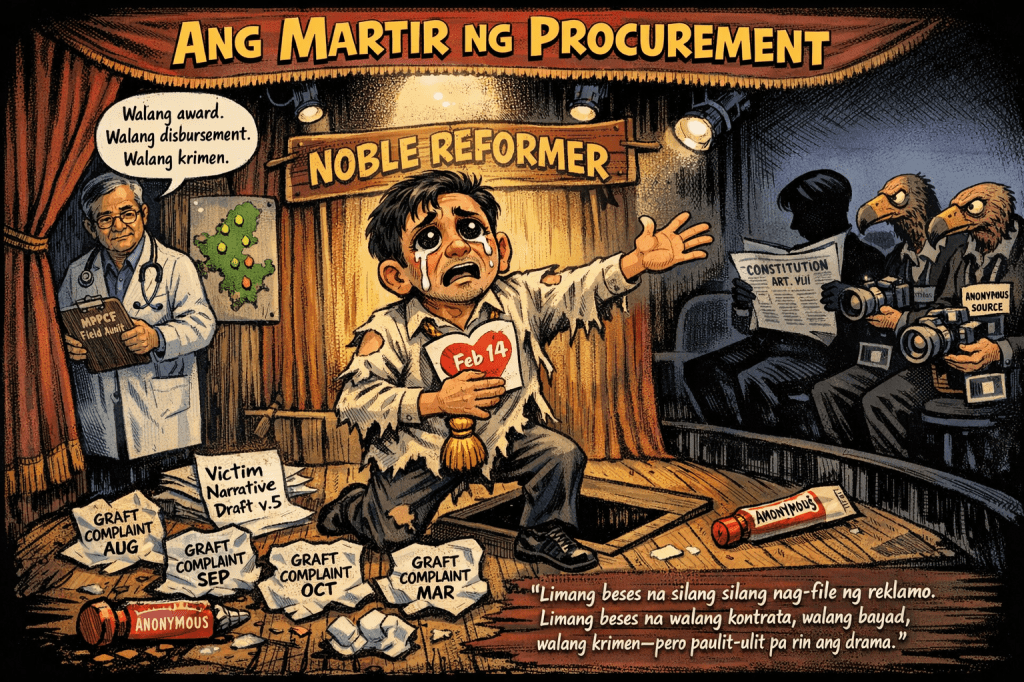
- Procurement Drama That Wasn’t

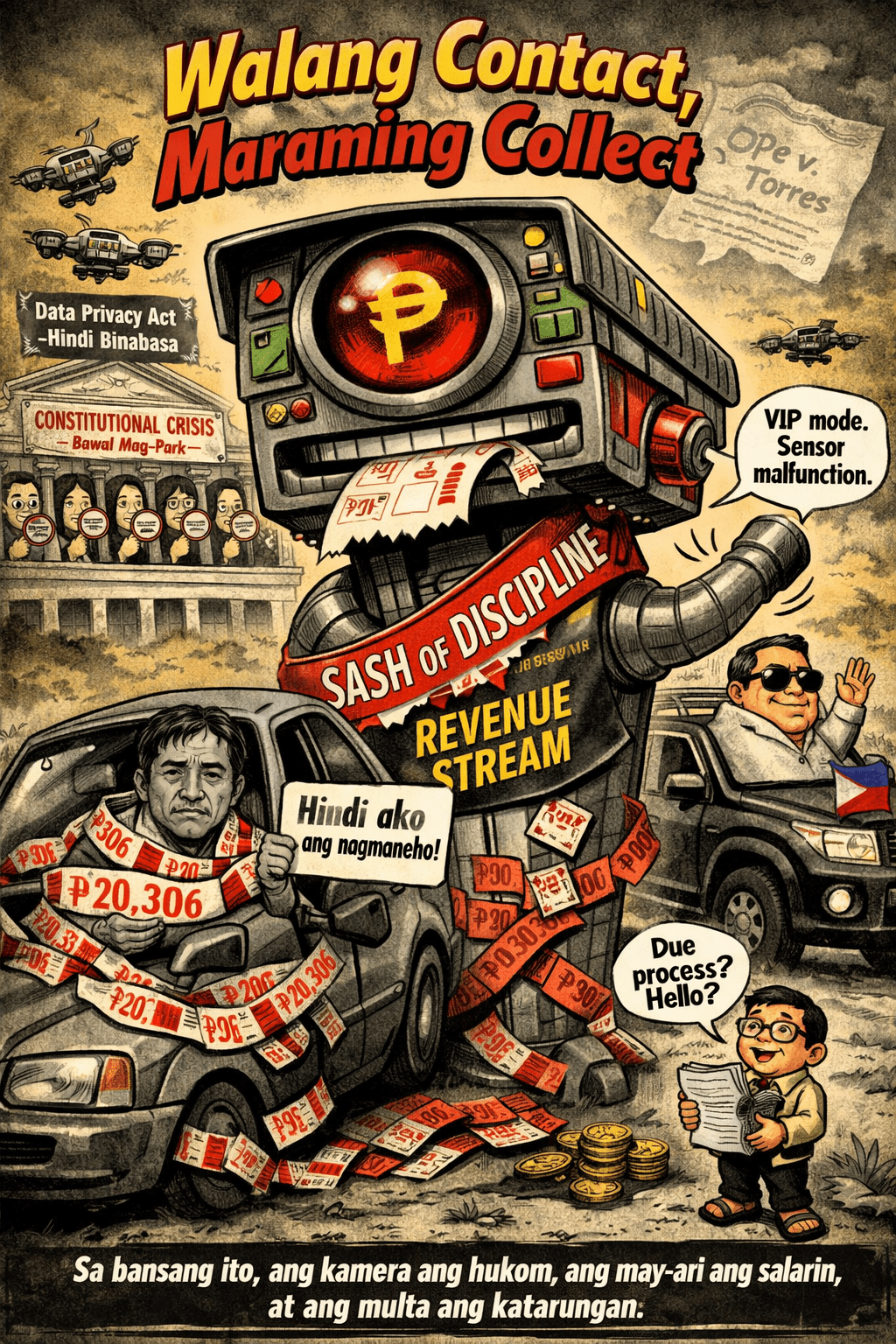
- From EDSA to Armageddon: The Supreme Court’s Make-or-Break NCAP Verdict
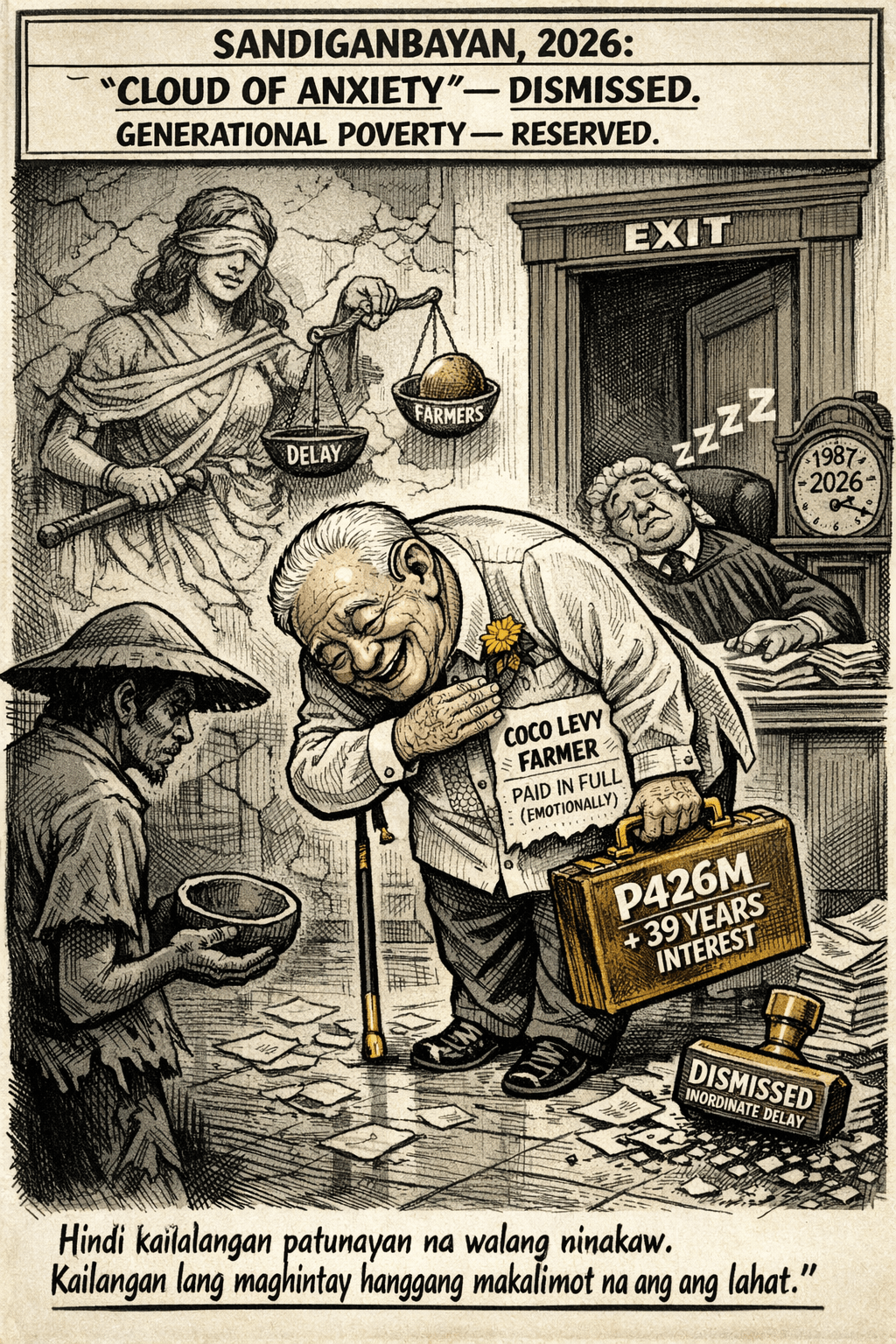
- Cronies Win Again: Sandiganbayan Frees Coco Levy Thieves After 39 Years of Government Napping
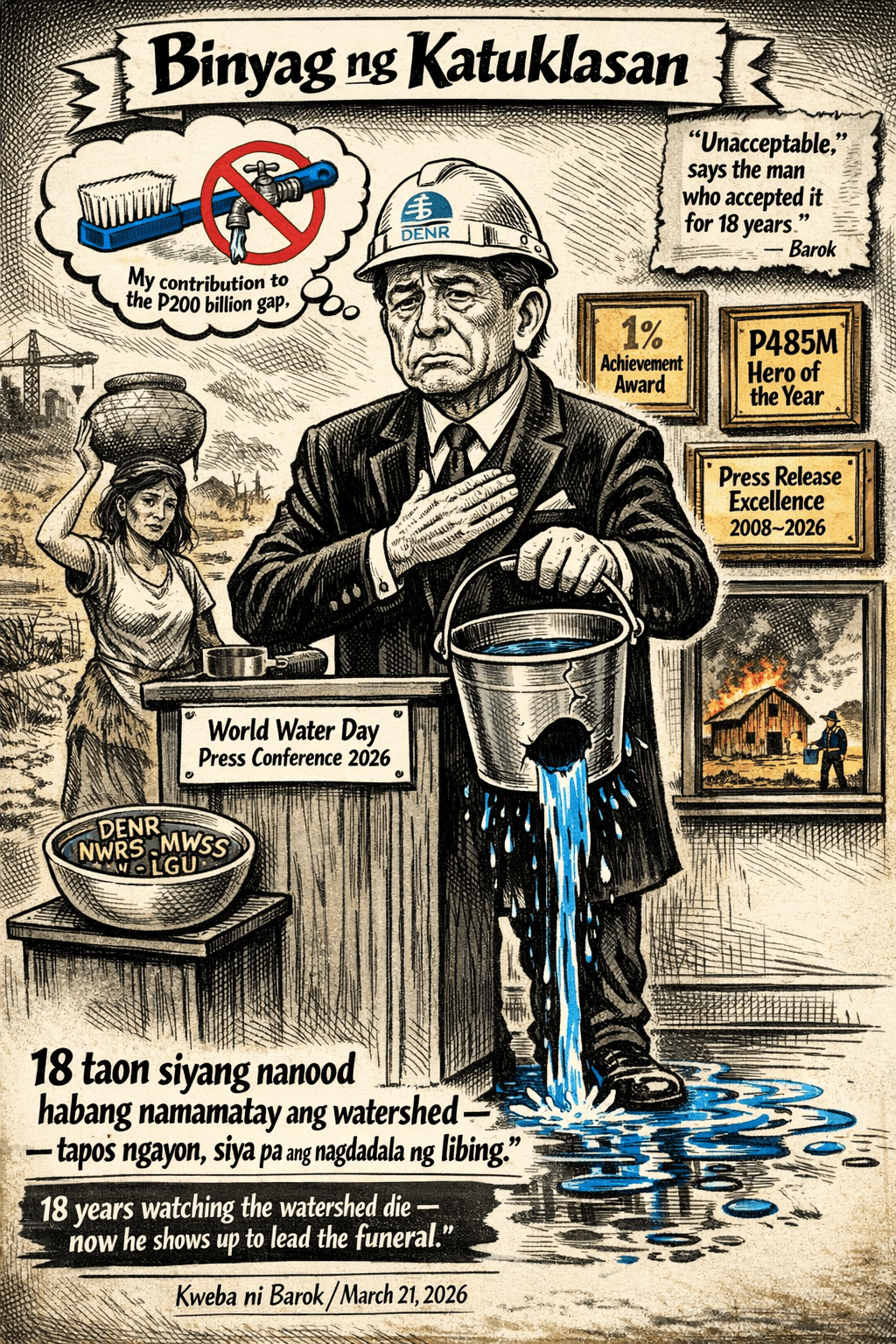
- DENR: “We’re Bankrupt on Water!” After 18 Years of Helping Kill the Watersheds
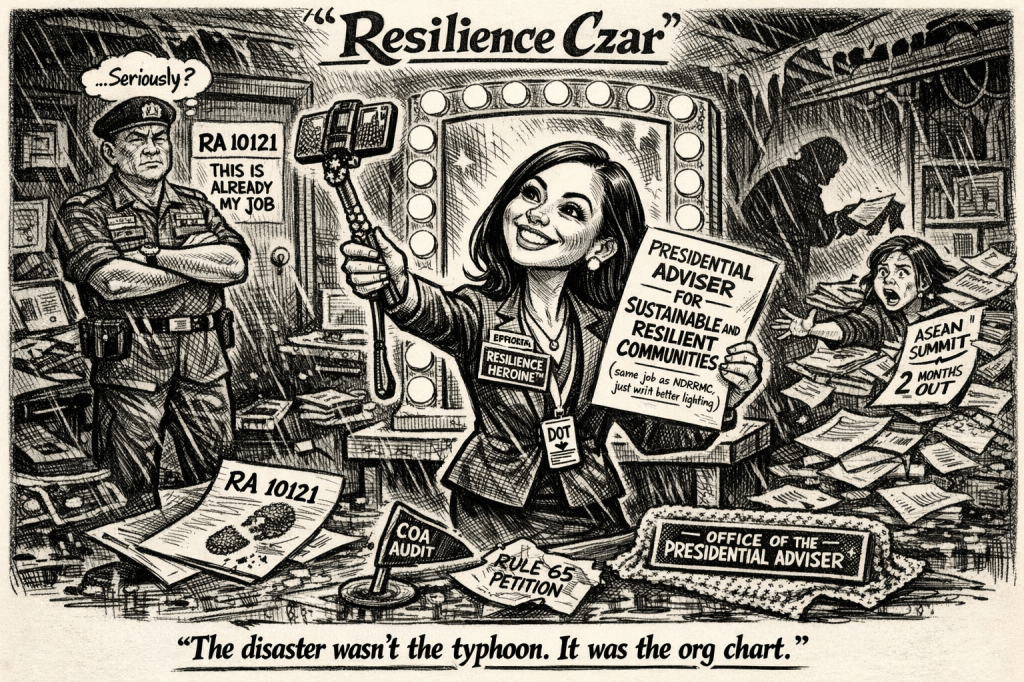
- Selfie Secretary to Resilience Czar: How Frasco Landed the Ultimate Soft Landing
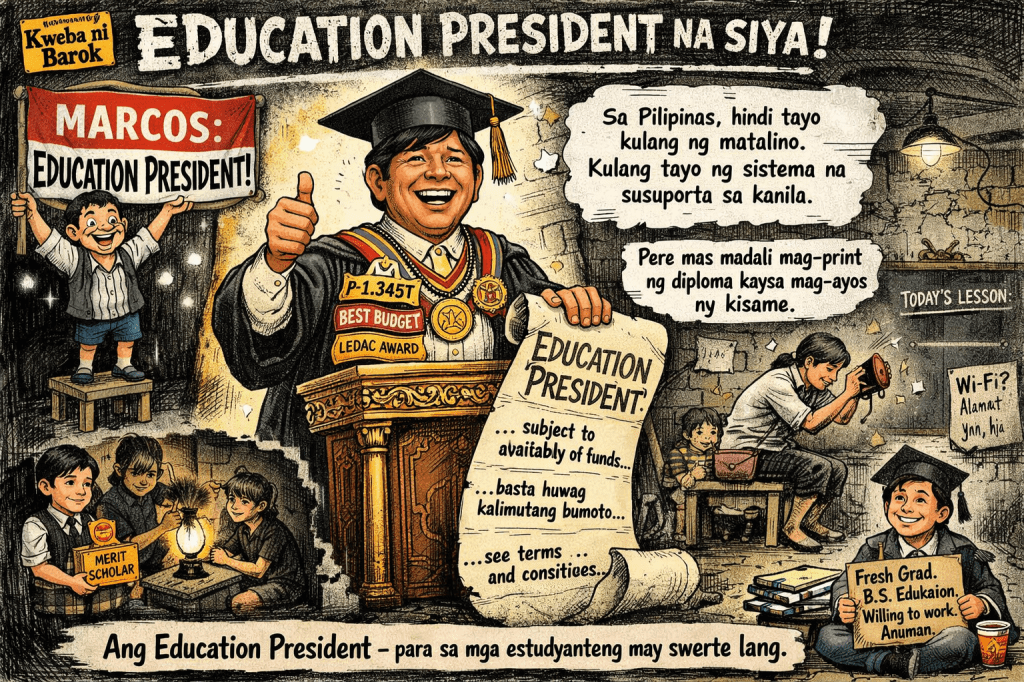
- “Education President” Marcos Jr.: P1.345T Budget, Zero Chalk for Teachers
- Comelec’s New Rule: Hide the Cash, Blame the Donors, Call It Legal
- DTI’s Award-Winning Book Is a Hot Mess—Now They’re Suing the Guy Who Read It
- “Everything’s Normal” — Except the Prices Killing Filipino Families
- FLR: For Later Riches? Puno & Dy Fight Over the Empty Pork Barrel
- Meralco Math: 62% Coal + 1% Oil = 100% of Your Suffering
- Pulse Asia Drops Bomb: Bongbong Bounces, Sara Bleeds, 2028 Already Bloody
- Russian Oil or Bust: Manila Begs Putin While Our Fuel Light Blinks Red
- “I Warned You in 2022!” — Sara’s Crystal Ball Meets Claire’s Nonfeasance Roast
- 200 Mega Boxes of Lies: Remulla Unleashes AI to Sort the Swamp (Before It Swallows Us All)
- Three-Way Circus 2028: Sara, Leni & Tulfo Walk Into a Poll…
- Marcoleta’s Zero Donations Lie: How a Televised Confession Became “Legal Complications”
- Priest Sentences Duterte to Life – No Trial Needed
- Flood Control or Flood of Corruption? Marcos’ Infrastructure Probe Hits a Curious Pause
- Tau Gamma Phi: Where Brotherhood Means Beating You to Death and Blaming the Rogue Chapter
- Procurement Mafia’s Latest Hit Job: Why Herbosa Can’t Catch a Break
- Abra-Cadabra! 4.3 Million Poor Filipinos Just Vanished – Thanks, DHSUD Math

- Sara’s Magic Plane Fantasy vs. Marcos’ Bureaucratic Black Hole: Who Screws OFWs Worse?
- Sara’s Bagman Blows the Whistle – Then She Blows Perjury Smoke
- Bong Suntay’s Wet Dream Defense: How One Congressman Turned Impeachment into Pornhub Testimony
- Sotto’s Mistress Panic: The Real Loophole Is Congress Itself
- Azure Urban Resort of Death – Where Security Fails and Warrants Collect Dust

- BFP Chief Nets ₱14.7M in Ambulance Kickbacks: Remulla’s Big Clean-Up or Cavite Dynasty Smoke Screen?
- Remulla’s “Tipping Point” Theory: When Joint Affidavits Spark Armed Uprising
- Villar’s HOA Bloodbath: Guard Trampled in BF Resort Power Grab Farce
- DBM’s ₱1.19 Trillion Magic Trick: “It’s Not in the Budget… It’s Just Visiting”
- DFA’s Secret Ayungin Deal: Sovereignty Sold, Receipt Hidden
- Bojie & Sandro’s “Anti-Dynasty” Masterpiece: Loopholes Bigger Than Ilocos Norte
- Tito Sotto Discovers Party-List Abuse… After 30 Years of Profiting From It
- Luistro’s New Rule: Wait Till Feb 6 or Go Home, Complainants
- Remulla Met the ICC in His Pajamas — And Somehow That’s the Real Crime?
- Iran Drones + US Bases = PH Collateral Damage? Tulfo’s Late Awakening

- ICC Roast: When “You Too” Becomes Duterte’s Accidental Guilty Plea
- Herbosa Calls Vape Poison – Why Big Tobacco’s Candy-Flavored Lies Must Die

- Go’s Concessional Last Supper: $10.3 Billion to Feed the Same Old Corruption Machine
- Ronaldo Puno’s Conscience Vote: Hedging Bets While Sara Counts the Bags
- Bato Hides from ICC, But Not from Your Tax Money
- Kaufman’s “No Common Plan” Circus: Duterte’s Lawyer’s Pathetic Attempt to Launder a Bloodbath
- Marcos Masterminded P805B Cash Drops? Or Just Another Duterte ICC Lifeline?
- Remulla Exposes BFP’s Fire Sale: Pay to Play Firefighter, Pay to Pass Inspection, Pay to Stay Alive

- P805 Billion in Cash? Lacson Calls BS — But the Rot Reaches the Palace
- Apologize First or Get Ghosted: Hontiveros Schools China’s Wolf Warrior
- They Can Impeach All They Want — Sara’s 2028 Ballot Spot Is Locked
- Don’t Act Like a King: Remulla Slaps Fernando’s Four-Lane Ego

- Sara’s 2028 Power Move: Pastor Abante Just Gave Her Two Free Years of Martyr Glow-Up
- “No Special Jail for Crooks!” Boying Remulla Slams VIP Perks for Flood Scammers
- Ted Herbosa’s “Blood-Sucking Tick” Smear: The Babbler’s Desperate Hit Job Exposed
- DFA Reaffirms Sabah Claim in 2026: Translation – “We Still Own It… On Paper Since 1963”
- Bam Aquino’s “Ideally Local” EJK Fantasy vs Trillanes’ ICC Reality – Why the Opposition Is Handing 2028 to Sara Duterte

- “Just Following Orders” Is Dead: How the Hague Just Turned Tokhang’s Finest Into International Fugitives
- From “Never Again” to “Ideally Here”: How Bam Aquino Defended the Impunity Machine
- From Diverticulitis to Detention: How a Fake CT Scan Landed Critics in the NBI Crosshairs
- Marcos’ “Teachers First” Mirage: ₱10,000 Allowance or Just Another Vote-Buying Photo-Op?
- Dizon’s Maharlika Highway Exclusive Club: Only Billion-Peso Boys Allowed (Small Contractors Need Not Apply)
- 2028 Elections Just Got Bloodier: Sara Declares War on Marcos While Impeachment Complaints Line Up Like Jeepneys in EDSA
- From Barangay Captain to Cabinet: Why 73% of Filipinos Think Bribery Is the Only Government Service That Actually Works
- Why Duterte Got the Fast-Track to The Hague but Bato & Bong Go Deserve a Full Constitutional Pageant
- Marcoleta’s Treason Fantasy: Why Charging Carpio for Peacetime “Betrayal” Is the Dumbest Thing You’ll Read This Week
- DOJ Caught Shielding Alleged Rapist Because He’s Their Sabungeros Golden Boy? The Ugly Truth Exposed
- PNP “Integrity Reforms”: Nartatez’s ICC Panic Button or Just Another Camp Crame Comedy Special?
- Revilla’s Desperate Judge-Shopping Fails: Sandiganbayan Slams the Door on Inhibition Bid
- Persona Non Grata Politics: Why the Philippines-China Diplomatic Row Is All Theater and No Strategy
- The Davao 8: ICC Finally Names the Henchmen in Duterte’s Bloody Pyramid Scheme
- Duterte Loyalists Want Tito Sotto Jailed for Having a Mouth Bigger Than Their Loyalty
- Fourth Degree of Separation — Or Just Two? When Former Justices Can’t Agree on How to Kill Dynasties That Won’t Die
- They’re Burning Domingo at the Stake Because He Refuses to Join the Patronage Picnic
- P1 Trillion in Savings? Or P1 Trillion in Nonsense?

- Due Process for the Senator, Ghost Projects for the People: Kapunan’s Finest Hypocrisy Hour
- Tacloban’s Two-Bit Bike Bandits: When the BI Finally Notices the Chinese Nationals It’s Been Ignoring for Six Years
- Solar Para Sa Bayan? More Like Solar Para Sa Bulsa

- Phantom Congressmen & Fake Tax Stamps: The ₱4.5-Billion-a-Month Ghost Story Remulla Won’t Name

- The Sacred Separation of Powers: Marcos’ Favorite Get-Out-of-Plunder Card
- Supreme Court Hides Behind Procedure While the Palace Builds a Parallel Republic: The Cowardly Dismissal of the ICI Petition
- The Frasco Fiasco

- The Jumbo Jet That Never Lands: How We’re Dumping Our Future into the Sea
- The Books That Never Were: DepEd’s Procurement Farce and the Theft of a Generation’s Future

- DILG vs. The Tarpaulin Gods – When Politicians Finally Get Told Their Faces Aren’t Infrastructure

- The Plenary Farce: How the House of Representatives Is Building a Fortress of Paper to Shield the Cong-Tractor Swindlers
- “Scared to Sign Vouchers” Is Now Official GDP Policy – Welcome to the Philippines’ Permanent Paralysis Economy
- Cops on Crime Spree: When the Drug Unit Becomes the Robbery Franchise

- Trillion-Peso Magic Trick: How the Villars Turned Family Backyard Dirt into Fairy-Tale Wealth (and Left Everyone Else Holding the Empty Bag)

- From Exposé to Exile: Leviste’s Five-Month Business-Class Passport to Silence
- “Several Lifetimes,” Said Fajardo — Translation: “I’m Not Spending Even One More Day on This Circus”

- The Heroic Spirit-Savers of Landers: When the Flames Die, the Looting Begins

- Necromancy in Robes: Reviving Phantom Filings to Strangle Impeachment

- Hide-and-Seek with a Kickback King: Zaldy Co’s Notary Ninja Moves Mock Philippine Justice
- CHED’s Thirty-Year Siesta: How the “Higher” Education Watchdog Napped Through a National Catastrophe
- De Facto Martial Law or De Facto Meltdown? Leviste’s P24-Billion Sob Story
- The Seduction of Statistics

- Remulla’s Billion-Dollar Bouncer: “No Cash, No Conversation” – The New Door Policy at the Palace of Justice

- The Stolen Growth: A Nation’s Receipt for Billions Pilfered, Leaving Us Poorer, Angrier, and Still Flooded
- Tiu Laurel Declares War on Paperwork: Philippines’ Food Basket Now Protected by the Sacred Art of Doing Nothing Until June

- Bonoan’s Flood-Control Illusion: Vanishing Projects, Vanishing Funds, and a Nation Left Drowning in Debt
- The Co-Defensor-Marcos Impeachment Circus: A Philippine Farce in Three-Ring Corruption

- The Ghost in the Rulebook: Adiong’s Phantom Procedure Haunts the People’s Justice

 KWEBA ni BAROK
Leave a comment