By Louis ‘Barok‘ C. Biraogo
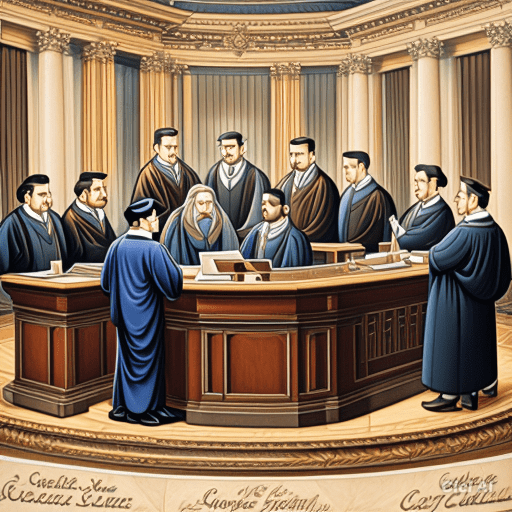
IN A landmark decision, the Supreme Court of the Philippines has dismissed the petition of the Iloilo Electric Cooperative, Inc. I, II, and III (ILECOs), challenging the constitutionality of Republic Act (RA) 11918. This law expanded the franchise of MORE Electric and Power Corp. (MORE) to include areas previously under the exclusive control of the ILECOs. This ruling underscores significant legal and constitutional principles that shape the country’s public utility landscape.
Background and Origins
The controversy centers on RA 11918, which expanded MORE’s franchise from Iloilo City to 15 municipalities and one city that were previously under ILECOs’ jurisdiction. ILECOs, holding franchise certificates to operate in these areas, argued that this expansion violated their exclusive franchise rights, due process, non-impairment of contracts, and equal protection under the law. They sought relief from the Supreme Court through a petition for certiorari and prohibition, coupled with a prayer for a temporary restraining order and writ of preliminary injunction against the implementation of RA 11918.
The Constitutional Issue
The core constitutional issue revolves around Section 11, Article XII of the Philippine Constitution, which prohibits exclusive franchises. ILECOs contended that their franchise certificates granted them exclusive rights, and that the expansion of MORE’s franchise infringed upon these rights. They also argued that RA 11918 violated their contractual agreements and provided unfair preferential treatment to MORE.
Supreme Court’s Ruling
In a decision dated July 30, 2024, and published on August 1, the Supreme Court ruled that electric cooperatives do not possess a constitutional right to an exclusive franchise. The Court emphasized that a franchise is a privilege granted by the state and not the exclusive property of the franchisee. It must serve the common good as determined by Congress.
The Court’s decision is anchored on several key points:
- Prohibition of Exclusive Franchises: The ruling reiterated that Section 11, Article XII of the Constitution explicitly prohibits exclusive franchises, ensuring that no entity can monopolize public utilities to the detriment of consumers.
- Promotion of Competition: The decision highlighted the importance of competition in the electricity industry, as mandated by the Electric Power Industry Reform Act (EPIRA). The entry of MORE as a competitor benefits consumers by preventing price dictation and improving service delivery.
- Police Power and General Welfare: The Court underscored the state’s broader authority under its police power to regulate for the general welfare. This includes ensuring an uninterrupted supply of electricity, which justifies the expansion of MORE’s franchise.
- Non-Impairment of Contracts: The Court noted that ILECOs failed to demonstrate how RA 11918 impaired their contracts with suppliers. Furthermore, the law does not favor MORE over other utilities with existing and functioning distribution systems.
Legal Framework and Precedent Analysis
The decision draws from established legal principles and precedents:
- Section 11, Article XII of the Constitution: This section prohibits monopolies and promotes equitable access to public utilities.
- EPIRA (RA 9136): This law aims to foster competition in the electricity sector, protecting consumers from monopolistic practices.
- Supreme Court Precedents: Previous rulings have upheld the principle that franchises are privileges subject to regulation in the public interest. For instance, in the case of National Telecommunications Commission v. Philippine Long Distance Telephone Co., the Court ruled that franchises are not proprietary rights but public privileges.
Analysis of the Supreme Court’s Ruling
The Supreme Court’s ruling is a balanced application of constitutional and statutory principles. It effectively curtails the monopolistic control of public utilities, aligning with the Constitution’s mandate to promote competition and protect consumer interests. By reinforcing that franchises are privileges subject to state regulation, the ruling sets a precedent for future disputes in the public utilities sector.
Navigating Legal Terrain: Options for Both Sides
1. ILECOs:
- Motion for Reconsideration: ILECOs can file a motion for reconsideration, challenging the Supreme Court’s interpretation of their franchise rights.
- Legislative Lobbying: They can lobby Congress for amendments to RA 11918 or new legislation that better protects cooperative interests.
- Negotiations with MORE: Engage in negotiations to potentially reach a collaborative arrangement with MORE for shared service areas.
2. MORE:
- Implementation of Expanded Services: Focus on efficiently implementing its services in the newly covered areas to meet consumer expectations.
- Compliance with Regulatory Standards: Ensure compliance with all regulatory standards to avoid legal challenges and maintain public trust.
Recommendations
- For ILECOs: Consider adapting to a more competitive landscape by improving service quality and pricing. Engaging in constructive dialogue with MORE could also mitigate conflicts and ensure better service delivery.
- For MORE: Prioritize transparent and efficient service expansion to demonstrate the benefits of competition. Compliance with regulatory standards and proactive community engagement will be key to sustaining consumer trust and satisfaction.
This Supreme Court ruling marks a pivotal step in promoting competition and consumer protection in the Philippines’ electricity sector. By upholding the constitutional prohibition on exclusive franchises, it paves the way for a more equitable and efficient public utility framework.

- Andres Heralds DoJ’s Transformative Justice

- Sailing to New Horizons: PEZA Sets Ambitious PHP250-B Approval Target for 2024

- Panga’s Bold Vision: The Paradigm Shift of Iwahig Mega Economic Zone

- Panga’s Pragmatic Approach to Sino-Philippine Investments

- The Shadow Over Manila
- Shadow of the Red Notice: Remulla hunts down Teves

- Frozen Enigma: NBI Bacolod’s Tussle with Darkness

- Quiboloy’s Supreme Court Shenanigans: A Pathetic Attempt to Dodge Justice

- RP’s cunundrum: A pawn in the SCS geopolitical chessboard

- Macapagal Leads: Navigating Relocation Challenges




Leave a comment